This guide was synthesized using the latest legislative data and verified by our editorial board. Laws are subject to change; always consult official sources for final confirmation.
The Coppename River, flowing through the heart of Suriname, is not just a river; it is a vital lifeline for the ecosystem and communities surrounding it. This article delves into the Coppename River and the surrounding Central Suriname Nature Reserve, highlighting its significance, biodiversity, and what expatriates should know about exploring this unique region.
Overview of the Coppename River
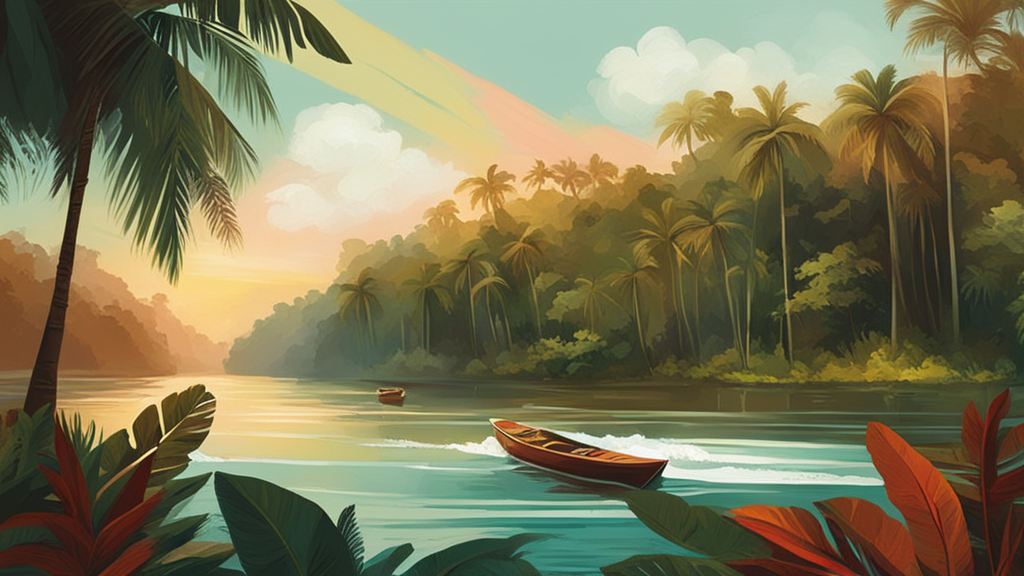
The Coppename River is one of the major waterways in Suriname, stretching approximately 380 miles (611 kilometers) from its source in the pristine jungles of the Central Suriname Nature Reserve to its mouth at the Atlantic Ocean. As one of the longest rivers in the country, it serves as a crucial habitat for diverse wildlife and a resource for local communities. The river is known for its brown, murky waters, typical of the rainforest environment, which is rich in organic material.
Along its banks, the Coppename River is surrounded by lush tropical forests, which are home to a multitude of species. The river's watershed is significant, as it encompasses the upper reaches of several tributaries, including the Lucie, Oost, Zuid, Saramacca, and Gran Rio rivers. This unique hydrological system supports various ecosystems, making it a biodiversity hotspot.
The Central Suriname Nature Reserve
Established in 1998, the Central Suriname Nature Reserve covers an impressive 1.6 million hectares of undisturbed tropical rainforest, making it one of the largest protected areas in the world. This UNESCO World Heritage Site is crucial for conservation efforts and the protection of the upper watershed of the Coppename River.
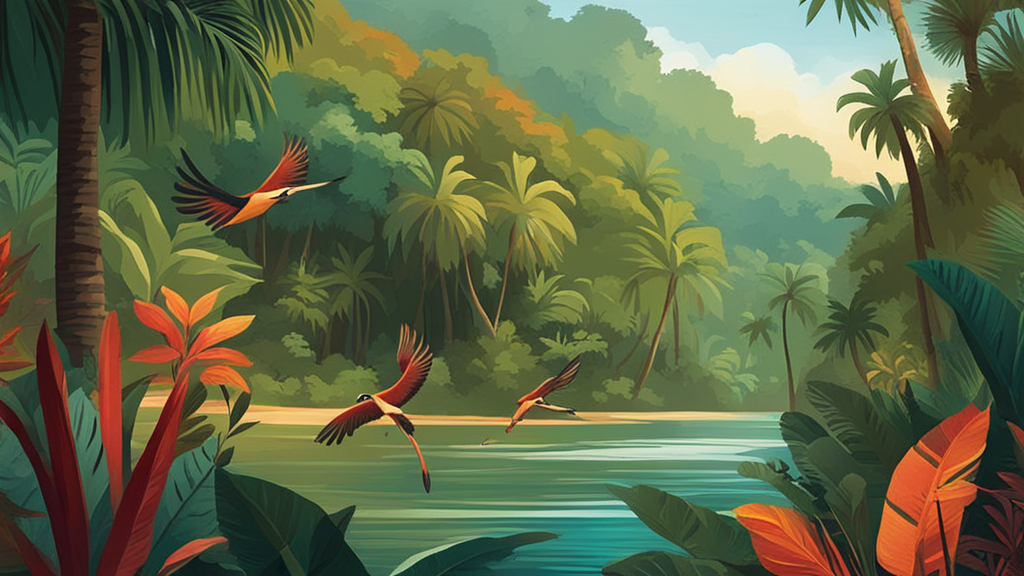
The nature reserve boasts an incredible range of biodiversity, featuring nearly 6,000 species of vascular plants and 1,890 species of vertebrates. Among its inhabitants are jaguars, giant river otters, tapirs, and over 400 bird species, including the iconic harpy eagle and scarlet macaw. The reserve's diverse ecosystems include montane and lowland forests, which provide habitats for many endemic and threatened species.
Geography and Climate
The Central Suriname Nature Reserve is situated between 130 and 330 kilometers southwest of Paramaribo, the capital city. The terrain varies significantly, featuring rugged mountains, granite inselbergs, and lowland rainforests. The highest peak, Juliana Top, reaches an altitude of 1,230 meters.
Suriname's climate is tropical, with average temperatures ranging from 27°C to 32°C (80°F to 90°F) year-round. The region experiences distinct wet and dry seasons, with the rainy season occurring from April to August and November to February. During this time, the river can swell, making certain areas more challenging to navigate.
Accessibility and Transportation
Reaching the Coppename River and Central Suriname Nature Reserve requires careful planning. The nearest major city is Paramaribo, where expatriates can arrange transportation to the reserve. Options include hiring a 4x4 vehicle or joining a guided tour that can facilitate access through the dense jungles. Due to the remoteness of the area, it's advisable to embark on these journeys with local guides who are familiar with the terrain and conditions.
Travel times can vary significantly, so expect to spend several hours on the road and possibly days in the reserve itself, depending on your itinerary. It’s essential to prepare adequately, as amenities may be limited once you venture into the reserve.
Wildlife and Ecological Importance
The ecological importance of the Coppename River and its surrounding areas cannot be overstated. The river serves as a habitat for endangered species and a crucial water source for the local fauna. The diverse ecosystems within the Central Suriname Nature Reserve allow for continuous adaptation and evolution of species, enhancing genetic diversity and resilience.
Wildlife enthusiasts will find the region particularly rewarding. Birdwatching opportunities abound, with the chance to spot colorful species like the Guiana cock-of-the-rock and various parrots. Mammals, reptiles, and unique flora add to the vibrant tapestry of life in the reserve, making it a prime destination for eco-tourism.
Practical Tips for Expats
For expatriates looking to explore the Coppename River and Central Suriname Nature Reserve, several practical considerations can enhance your experience:
- Plan ahead: Ensure you have all necessary permits and arrange guided tours in advance. The reserve is remote, and logistics can be challenging.
- Pack appropriately: Bring lightweight clothing suitable for tropical climates, waterproof gear, insect repellent, and sturdy hiking boots for navigating the rainforest terrain.
- Stay safe: Be aware of wildlife and potential hazards, such as venomous snakes or insects. Always travel with a guide to ensure safety and local knowledge.
- Respect nature: Follow all guidelines for wildlife observation and minimize your impact on the environment. This includes adhering to designated paths and not disturbing wildlife.
Conclusion
The Coppename River and the Central Suriname Nature Reserve offer a breathtaking glimpse into one of the world's most biodiverse ecosystems. With its stunning landscapes, rich wildlife, and opportunities for adventure, this region is a must-visit for nature lovers and expatriates alike. By preparing adequately and respecting the delicate environment, you can enjoy all that this spectacular area has to offer.
AI-Generated Content: This article was created with AI assistance and may contain inaccuracies. Please verify important information with official sources.
Primary Sources
Last updated: September 2026