
This guide was synthesized using the latest legislative data and verified by our editorial board. Laws are subject to change; always consult official sources for final confirmation.
Suriname, located on the northeastern coast of South America, boasts a wealth of natural beauty, particularly in its extensive wetland ecosystems. These wetlands are not only vital for biodiversity but also play a crucial role in the ecological health of the region. As an expatriate or international professional, understanding the significance of these areas, particularly the Ramsar protected sites, is essential for appreciating Suriname's environmental landscape and engaging responsibly with local conservation efforts.
Understanding Suriname's Wetlands
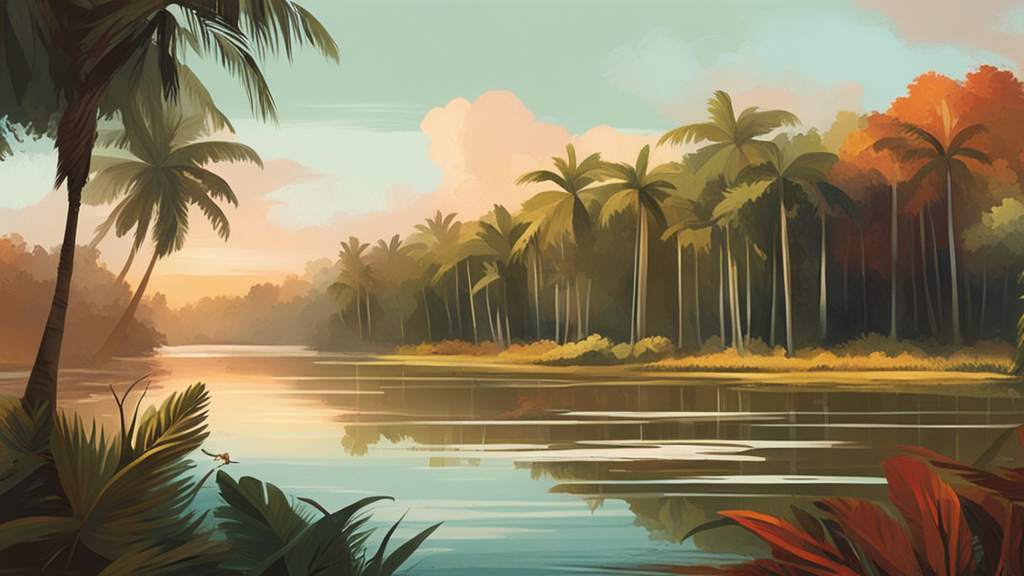
Suriname's wetlands encompass a diverse range of ecosystems, including marshes, rivers, lagoons, and mangroves. These areas are crucial for maintaining the ecological balance, providing habitat for numerous species and serving as natural water filters. The wetlands are particularly concentrated along the coastal regions, where they interact with the surrounding environment and support both terrestrial and aquatic life.
The wetlands are home to a variety of migratory and resident bird species, including shorebirds that frequent important conservation areas. These areas are essential for the conservation of migratory species, showcasing the importance of wetland habitats in supporting biodiversity. The complex interactions between these ecosystems and local communities highlight the need for sustainable management practices that consider both environmental and social dimensions.
The Ecological Importance
Wetlands in Suriname provide critical ecosystem services, such as flood regulation, water purification, and carbon sequestration. They also act as breeding grounds for fish and other aquatic organisms, thus supporting local fisheries, which are crucial for the livelihoods of many communities. The health of these ecosystems directly affects food security and economic stability for the population, particularly for those residing in coastal areas.
Moreover, Suriname's wetlands are part of a larger network of ecosystems that are interconnected on a global scale. The preservation of these areas is vital not only for local wildlife but also for global biodiversity. As an expatriate living in Suriname, recognizing the interdependence of these ecosystems can enhance your understanding of local conservation efforts and inspire sustainable practices in your daily life.
Ramsar Designation and Its Significance
The Ramsar Convention, established in 1971, aims to conserve and ensure the sustainable use of wetlands worldwide. Suriname has designated several sites as Ramsar Wetlands, acknowledging their international importance. As of our last update, Suriname has designated several Ramsar sites, which have been recognized for their unique biodiversity and the vital roles they play in the ecosystem.
One of these sites is a critical habitat for migratory birds and supports various fish species. Conservation efforts in this area focus on maintaining the ecological balance while allowing local communities to benefit from the resources sustainably. Another site is renowned for its nesting beaches for marine turtles, making it a site of significant ecological interest. Protecting these areas involves careful management to ensure that local communities can coexist with wildlife while preserving their natural habitat.
Current Conservation Efforts
Conservation efforts in Suriname involve a multi-faceted approach that includes local communities, government agencies, and international organizations. The polycentric governance model plays a vital role in these efforts, facilitating collaboration between different stakeholders to achieve effective conservation outcomes. For instance, local organizations often receive funding from international NGOs to carry out conservation projects, enhancing community involvement in environmental protection.
However, challenges remain in balancing development and conservation. Conflicts can arise when legal restrictions are imposed without considering the needs of local communities. For example, the establishment of protected areas has sometimes occurred without adequate consultation with indigenous populations, leading to tensions between conservation goals and local livelihoods. Understanding these dynamics is crucial for expatriates looking to engage with conservation efforts meaningfully.
Accessibility and Transport to Wetland Areas
Visiting Suriname’s wetland areas typically requires some planning, as many are situated away from urban centers. The main international gateway is Johan Adolf Pengel International Airport (PBM). From Paramaribo, travelers can access the wetlands via various transport options, including rental vehicles, guided tours, or local transportation methods.
For instance, to reach significant wetland areas, travelers may need to take a combination of road and boat transport. Local tour operators often provide guided trips that include transportation and knowledgeable guides who can enhance the experience by sharing insights into the ecosystems and conservation efforts. It’s advisable to arrange these excursions ahead of time, especially during the rainy season, when access might be challenging due to flooding.
Climate Considerations
Suriname's tropical climate, characterized by year-round temperatures averaging between 27-32°C (80-90°F), influences the accessibility and experience of visiting wetland areas. The rainy season can bring heavy downpours, impacting travel plans and making certain areas temporarily inaccessible. Understanding the seasonal patterns can help expatriates and travelers choose the best times to visit and engage in outdoor activities.
During the dry season, conditions are typically more favorable for exploring the wetlands. This period is ideal for birdwatching and wildlife observation, as many migratory species are present. Additionally, the clearer weather enhances the overall experience, allowing visitors to appreciate the stunning landscapes and biodiversity of Suriname's wetlands.
Practical Tips for Expats
As an expatriate in Suriname, engaging with the wetland conservation efforts offers a unique opportunity to connect with the local community and environment. Here are some practical tips:
- Participate in Local Initiatives: Seek out NGOs and community organizations focused on conservation. Many welcome volunteers and offer educational programs.
- Be Environmentally Conscious: When visiting wetland areas, adhere to guidelines that promote sustainability, such as not disturbing wildlife and minimizing waste.
- Learn from Locals: Engage with local communities to understand their perspectives on conservation and sustainable practices. This can enrich your experience and foster positive relationships.
- Stay Informed: Regularly check for updates on conservation efforts and any changes to access regulations for protected areas.
Conclusion
Suriname's wetlands and Ramsar protected sites are invaluable ecological treasures that require ongoing conservation efforts. Understanding their significance, recognizing the challenges faced by local communities, and engaging responsibly can help expatriates contribute positively to these efforts. By participating in conservation initiatives and respecting the delicate ecosystems, expatriates can enhance their experience in Suriname while supporting the preservation of its natural heritage.
AI-Generated Content: This article was created with AI assistance and may contain inaccuracies. Please verify important information with official sources.
Primary Sources
Last updated: September 2026