This guide was synthesized using the latest legislative data and verified by our editorial board. Laws are subject to change; always consult official sources for final confirmation.
Exploring Suriname by road offers a unique opportunity to immerse yourself in the rich culture and stunning landscapes of this South American gem. This guide will provide you with a detailed self-drive route to the interior villages, practical advice, and insights gathered from expat experiences, ensuring you make the most of your journey.
Getting Started: Preparing for Your Road Trip
Before hitting the road, it’s vital to prepare adequately. The first step is to ensure you have the proper documentation, including a valid driver’s license and car insurance. If you’re planning to rent a vehicle, opt for a sturdy 4x4, as many interior roads can be unpaved and rugged. Rental companies in Paramaribo typically offer competitive rates, and it's advisable to book in advance, especially during peak tourist seasons.
Another important consideration is fuel. Gas stations are available in major towns, but they can be sparse in the interior. It’s wise to fill up your tank in Paramaribo before heading out. Fuel costs can vary, so it’s best to check local prices before your trip. Carrying extra fuel in jerry cans can also provide peace of mind, especially on more remote stretches of your route.
Route Overview: Paramaribo to the Interior
Your journey can start in Paramaribo, the capital city, which boasts a UNESCO World Heritage-listed historic center. From here, you’ll head towards the interior, where you can explore several villages and the breathtaking natural surroundings. The most common route is via the Oost-West Verbinding (East-West Connection Road), which takes you through lush landscapes and past several notable landmarks.
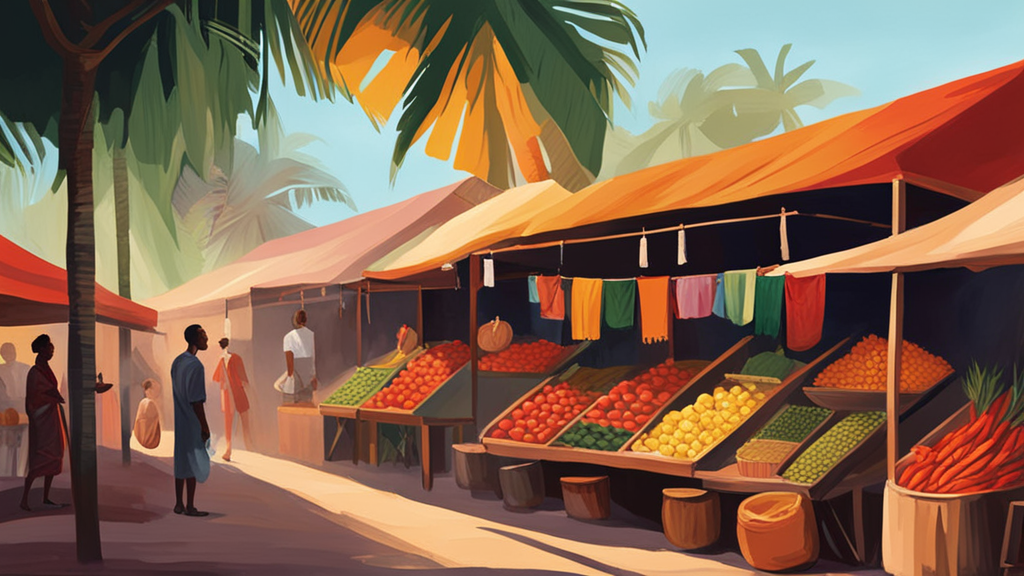
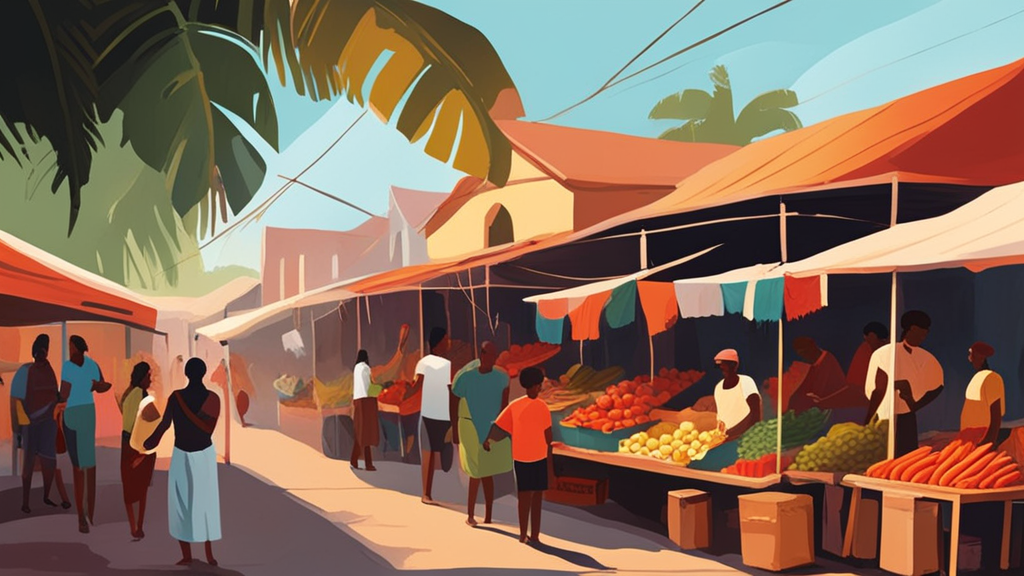
Traveling towards the district of Nickerie is a popular option. This area is known for its rice fields and vibrant local markets. As you drive, you’ll encounter scenic views, and you may want to stop at one of the numerous roadside stalls selling fresh fruits and homemade snacks. Local offerings often include grilled fish and seasonal fruits.
Exploring Interior Villages
Once you reach Nickerie, you can explore the local culture more deeply. Spend time at the local market, where you can find a mix of agricultural products and handicrafts. Engaging with the locals can provide insight into their daily lives and traditions. Consider exploring nearby areas known for their stunning river views and rich history.
Continuing your journey, make your way to Pikin Slee, a small village that offers a glimpse into indigenous life. Pikin Slee is accessible via a boat ride along the Suriname River, an experience that allows you to appreciate the tranquility of the surrounding nature. The cost of the boat ride can vary, so it's advisable to inquire locally for current rates.
Accommodation Options Along the Way
When it comes to accommodation, Suriname offers a range of options, from budget lodgings to more comfortable guesthouses. In Paramaribo, you’ll find several hotels catering to various budgets. Outside the capital, consider staying in local guesthouses, which can provide a more authentic experience. Prices for accommodations can vary widely depending on the location and amenities offered.
In Pikin Slee, eco-lodges are popular, allowing you to stay close to nature while enjoying basic comforts. These lodges often provide guided tours to explore the rich biodiversity of the rainforest, typically included in the cost of your stay. Be prepared for basic amenities, as the focus is on immersion in the natural surroundings.
Dining and Local Cuisine
As you travel, sampling local cuisine is a must. In Paramaribo, you can find a variety of eateries offering Surinamese dishes at reasonable prices. Street food vendors are also common, serving up local specialties like roti and pom, a traditional dish made from chicken and root vegetables.
In the interior, dining options may be more limited, but local eateries often serve fresh, home-cooked meals. Enjoy dishes that reflect the cultural diversity of Suriname, such as Indonesian-inspired meals in Javanese restaurants or traditional Maroon cuisine in various villages.
What Expats Should Know
Driving in Suriname is generally safe, but it's essential to remain vigilant as road conditions can vary. Keep an eye out for wildlife, especially during early morning and dusk when animals are more active. It’s also wise to drive during daylight hours, as some roads may lack adequate signage or lighting.
Language can be a barrier, as Dutch is the official language, but many locals speak English and Sranan Tongo, the local Creole language. Familiarizing yourself with a few basic phrases in Dutch or Sranan Tongo can enhance your interactions with locals and enrich your experience.
Safety and Health Considerations
Health precautions are essential when traveling in Suriname’s interior. Consult with a healthcare provider before your trip to ensure you’re up to date on vaccinations. Malaria is a concern in some areas, so consider taking preventive measures if you plan to spend time in the rainforest. Always carry a basic first aid kit and sufficient bottled water, especially on longer journeys.
Conclusion
A self-drive road trip through the interior villages of Suriname offers an incredible opportunity to experience the country’s rich culture and natural beauty. From exploring vibrant markets in Nickerie to immersing yourself in the tranquil surroundings of Pikin Slee, this journey promises unforgettable memories. With proper preparation, a sense of adventure, and an open mind, you’ll discover the hidden gems of Suriname’s interior, making your trip truly rewarding.
AI-Generated Content: This article was created with AI assistance and may contain inaccuracies. Please verify important information with official sources.
Primary Sources
Last updated: September 2026