This guide was synthesized using the latest legislative data and verified by our editorial board. Laws are subject to change; always consult official sources for final confirmation.
As an expatriate in Suriname, understanding the media landscape and the nuances of press freedom is vital. This knowledge can enhance your experience and help you navigate daily life and interactions. In this article, we will explore the current state of media, the legal framework surrounding press freedom, and practical insights for expats.
Overview of Press Freedom in Suriname
Suriname is recognized for its relatively high levels of press freedom compared to other countries in the region. The Constitution guarantees freedom of the press, which typically allows for a vibrant media environment. However, this freedom is not without challenges. The country has a history of political turbulence, and while attacks on journalists are rare, there can be instances of intimidation and self-censorship by media professionals.
As of our last update, the Reporters Without Borders (RSF) highlights that Suriname's press freedom is evaluated positively due to a pluralist media landscape. The country boasts several private newspapers, with De Ware Tijd and De West being the most prominent. These publications cover a range of topics, from political developments to cultural events, providing a platform for diverse voices. Nevertheless, the media landscape is not without its limitations, primarily due to stringent defamation laws that can lead to severe penalties for journalists.
The Media Landscape: Diversity and Challenges
Suriname's media environment is characterized by a mix of print, radio, and digital platforms. The presence of multiple languages, primarily Dutch and Sranan Tongo, enriches the media landscape, catering to various ethnic communities. While the official language is Dutch, Sranan Tongo serves as a lingua franca, making information accessible to a broader audience.
Despite the variety, the media faces economic challenges that impact its sustainability. The majority of media outlets depend heavily on advertising revenue, which can be inconsistent. Consequently, many journalists may lack adequate training and resources, resulting in a reliance on foreign news sources for information. This situation underscores the importance of local expats understanding the media dynamics, as it shapes how news is reported and consumed.
Political Context and Impacts on Media
Suriname operates as a parliamentary republic, where the president is elected by the National Assembly. The political landscape has been shaped by a history of civil unrest and changes in governance, particularly following the country's independence from the Netherlands in 1975. The current government, led by President Chandirapersad “Chan” Santokhi since July 2020, has made efforts to improve the political climate and foster media independence.
However, the media's ability to operate freely can be influenced by the government's stance towards dissent. Political pressures can sometimes lead to self-censorship among journalists who fear repercussions for criticism. Expats should be aware of this context when engaging with local news and consider the potential biases or limitations present in reporting.
Legal Framework Governing Press Freedom
The legal framework surrounding press freedom in Suriname is a double-edged sword. While the Constitution explicitly guarantees freedom of expression, a harsh defamation law exists that imposes penalties for “public expression of hate” against the government. This law can deter journalists from publishing critical viewpoints, potentially stifling open dialogue.
Expats should recognize the implications of these laws when discussing political topics or sharing opinions. It is advisable to approach sensitive subjects with caution, as public discussions may be monitored, and expressing dissent could inadvertently lead to legal consequences. Familiarizing yourself with local legal standards can help mitigate risks associated with uninformed expressions.
Practical Tips for Expats Navigating the Media Landscape
Understanding how to navigate Suriname's media landscape can significantly enhance an expat's experience. Here are some practical tips:
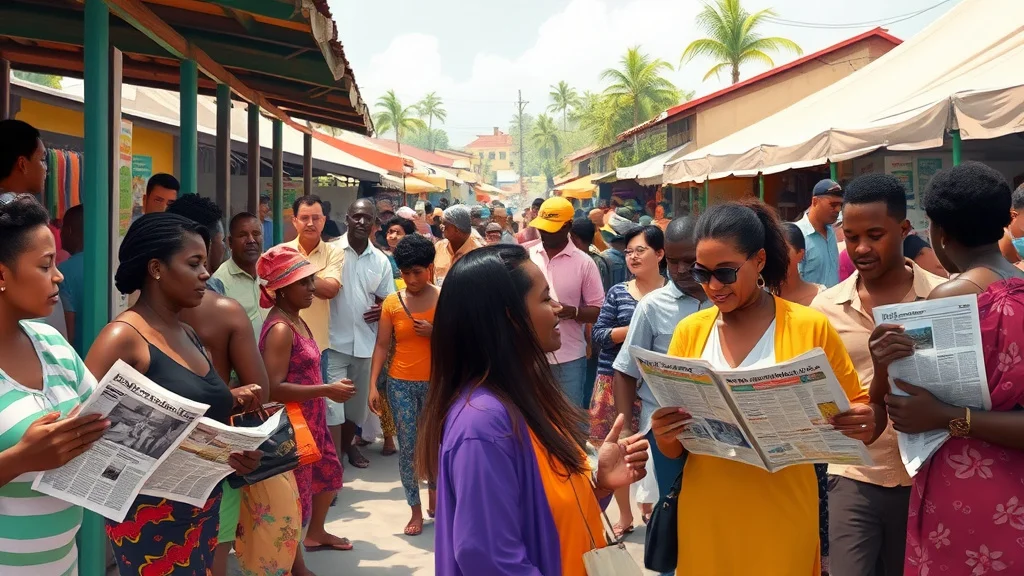
- Follow Local News Outlets: Subscribe to local newspapers or online news portals to stay informed about current events. Engaging with local media can provide insights into cultural nuances and community concerns.
- Engage with Diverse Perspectives: Seek out various media outlets representing different viewpoints. This approach can enrich your understanding of the local political landscape and societal issues.
- Participate in Community Dialogues: Attend local events or forums discussing current affairs. Engaging with Surinamese citizens can provide a more nuanced perspective on issues and foster connections within the community.
- Use Social Media Wisely: Social media platforms can serve as a valuable source of information, but be cautious about sharing personal opinions, especially on sensitive topics. Understanding local sentiments can help you navigate discussions more effectively.
- Respect Cultural Sensitivities: Being aware of the diverse ethnic backgrounds in Suriname is crucial. Different groups may have varying perspectives on historical and political issues, and showing respect for these differences can foster positive interactions.
Conclusion
In conclusion, understanding press freedom and the media landscape in Suriname is essential for expatriates looking to engage meaningfully in their new environment. While the country enjoys a relatively free press, the challenges posed by political pressures and legal constraints should not be underestimated. By following local news, engaging with diverse perspectives, and being mindful of cultural sensitivities, expats can navigate the media landscape effectively and enrich their experience in Suriname.
AI-Generated Content: This article was created with AI assistance and may contain inaccuracies. Please verify important information with official sources.
Last updated: September 2026