
This guide was synthesized using the latest legislative data and verified by our editorial board. Laws are subject to change; always consult official sources for final confirmation.
Suriname, a small but resource-rich country in South America, has been making strides toward economic stability and growth, particularly in sectors like mining, agriculture, and energy. This guide aims to provide international investors with a comprehensive overview of Suriname's economic landscape, highlighting key opportunities, challenges, and practical tips for navigating this emerging market.
What can we help you with?
Three short questions. Then we get in touch. No account needed.
Understanding Suriname's Economic Landscape
Suriname's economy has undergone significant transformation in recent years, especially following the economic crisis that peaked in 2021. As of 2025, the country has shown signs of recovery, with economic growth rebounding to approximately 3% after a staggering contraction of 16% during the crisis. This recovery has been supported by the International Monetary Fund's (IMF) Extended Fund Facility, which provided $688 million aimed at restoring fiscal sustainability and reducing public debt.
As of our last update, inflation has also decreased significantly, dropping from a high of 60% in 2021 to below 10%. These improvements have contributed to a more favorable investment climate, attracting foreign direct investment (FDI) particularly in the energy sector, where major projects are underway, including a $10.5 billion oil initiative expected to commence production in 2028.
Key Sectors for Investment
Mining and Energy
Mining, particularly gold extraction, is a cornerstone of Suriname's economy, contributing around 80% of government revenue. Major players in this sector include U.S.-based Newmont Corporation and China's Zijin Mining Group, which operate the largest legal mines in the country. The government actively encourages investment in this sector, providing opportunities for both local and foreign investors.
The energy sector is another area ripe for investment. Suriname's offshore oil and gas reserves have attracted significant interest from international oil companies such as Chevron and Shell. The state-owned oil company, Staatsolie, maintains control over oil-related activities, but foreign investors can engage through production sharing contracts. This structure provides a pathway for investors to participate in the lucrative energy market while ensuring compliance with local regulations.
Agriculture and Tourism
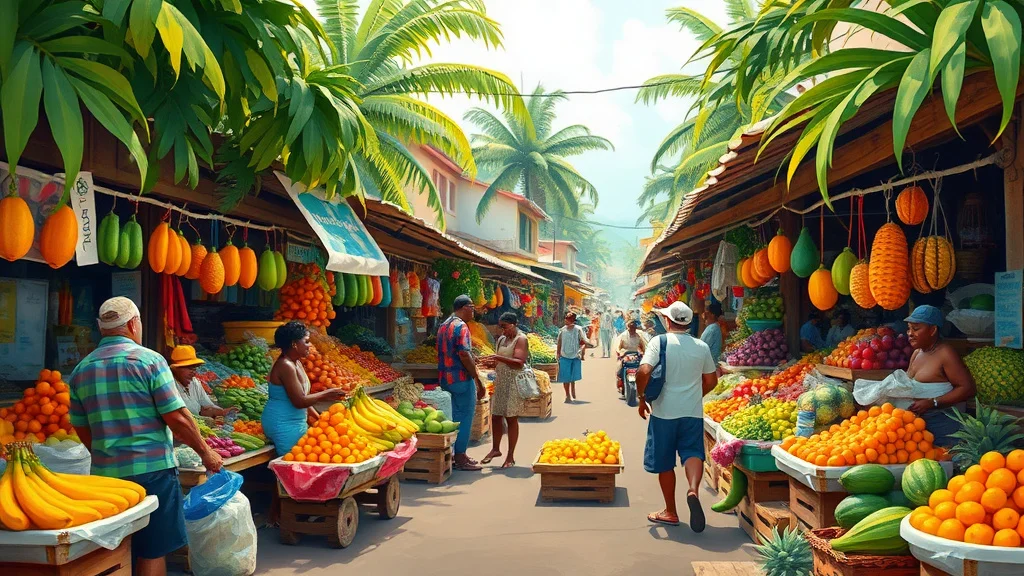
Agriculture remains a vital sector, with potential for growth in areas such as rice, bananas, and other tropical crops. The government is keen to modernize agricultural practices and increase exports, making it an attractive sector for investors looking to engage in agribusiness. Additionally, the tourism sector is gradually gaining traction, with opportunities in eco-tourism and cultural tourism, leveraging Suriname's rich biodiversity and cultural heritage.
Challenges and Considerations for Investors
While Suriname presents numerous investment opportunities, potential investors should be aware of several challenges. The approval process for foreign direct investment can be discretionary rather than rules-based, leading to potential delays and uncertainties. Corruption and a lack of transparency in the awarding of concessions and public tenders can also pose risks. Investors are advised to conduct thorough due diligence and consider engaging local legal and business experts to navigate these complexities.
Additionally, the banking infrastructure in Suriname is limited compared to Western countries. Not all businesses accept card payments, which can complicate transactions for foreign investors. It is advisable to maintain a supply of local currency (Surinamese Dollar, SRD) for day-to-day operations and smaller purchases. As of our last update, the exchange rate was approximately 1 USD to 22 SRD, but this can fluctuate significantly, so verifying current rates is essential.
Practical Tips for Investors
Budgeting and Financial Planning
When planning your investment in Suriname, consider the hidden costs that may arise. Import duties can be high, particularly for goods that are not produced locally. Investors should factor these costs into their budget to avoid unexpected expenses. Additionally, deposits for rental properties can be substantial, typically requiring two to three months' rent upfront.
Currency volatility is another crucial factor. The Surinamese Dollar has experienced significant devaluation, which can impact long-term financial planning. Investors should consider hedging strategies or maintaining a portion of their investments in more stable currencies like USD or EUR to mitigate risks associated with currency fluctuations.
Building Local Partnerships
Establishing strong relationships with local partners can be invaluable for navigating the Surinamese market. Local businesses often have insights into regulatory requirements, market trends, and consumer preferences that can enhance your investment strategy. Additionally, local partners can assist in overcoming bureaucratic hurdles and provide access to networks that may be beneficial for your business.
Consider joining local business associations or chambers of commerce to connect with other investors and gain insights into the business environment. These organizations often provide resources, networking opportunities, and advocacy for foreign investors.
What Expats Should Know
For expatriates considering a move to Suriname, understanding the local culture and business practices is essential. Suriname is known for its cultural diversity, with influences from various ethnic groups, including Indigenous peoples, Afro-Surinamese, and East Indian communities. This diversity is reflected in the country's cuisine, festivals, and social norms.
Language can also be a barrier; while Dutch is the official language, many locals speak Sranan Tongo, a creole language, and English is commonly used in business settings. Learning basic phrases in Dutch or Sranan Tongo can help build rapport with local partners and clients.
Conclusion
Suriname offers a unique investment landscape characterized by emerging opportunities in mining, energy, agriculture, and tourism. While challenges such as regulatory uncertainties and currency volatility exist, the government's commitment to improving the investment climate and the country's rich natural resources present significant potential for growth. By conducting thorough research, building local partnerships, and planning for hidden costs, investors can navigate Suriname's economic landscape effectively and capitalize on its emerging market potential.
AI-Generated Content: This article was created with AI assistance and may contain inaccuracies. Please verify important information with official sources.
Last updated: July 2026