
This guide was synthesized using the latest legislative data and verified by our editorial board. Laws are subject to change; always consult official sources for final confirmation.
Suriname's history is deeply intertwined with its colonial past, particularly the Dutch colonization and the impact of slavery on its diverse population. This article delves into the historical context, the legacy of slavery, and contemporary conversations surrounding reparations, offering valuable insights for expatriates looking to understand the socio-cultural fabric of Suriname.
The Dutch Colonial Era in Suriname
The Dutch took control of Suriname from the English in the late 17th century, marking the beginning of a colonial period that would significantly shape the country's economy and society. The Dutch established a plantation economy that relied heavily on African slave labor for the cultivation of sugar, coffee, and cocoa. By the mid-18th century, the population of enslaved Africans reached approximately 13,000, working on around 200 plantations. This system inflicted severe hardships on the enslaved, leading some to escape into the surrounding jungles, where they established independent communities known as Maroons.
Impact of Slavery on Surinamese Society
The legacy of slavery in Suriname is profound and multifaceted. The harsh conditions faced by enslaved individuals were marked by brutality, forced labor, and the denial of basic human rights. This treatment fostered a culture of resistance; Maroons often launched attacks on plantations to free enslaved people and acquire goods. Notable leaders such as Boni and Joli Coeur became symbols of this resistance, reflecting the broader struggle against oppression.
Following the abolition of slavery in 1863, the plantation owners sought alternative labor sources, leading to the immigration of diverse ethnic groups, including Hindustani from India, Javanese from Indonesia, and Chinese laborers. This influx contributed to Suriname's rich multicultural tapestry, where various traditions, languages, and religions coexist. Today, the population consists of Hindustani (~27%), Maroon (~22%), Creole (~16%), Javanese (~14%), Mixed (~13%), Indigenous (~4%), and Chinese (~2%).
Cultural Commemorations and the Legacy of Slavery
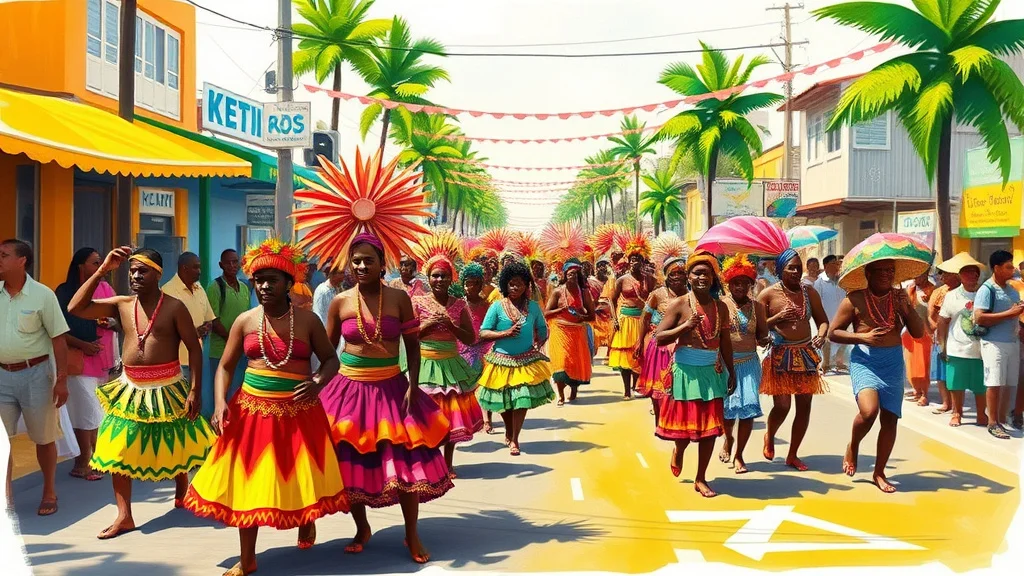
Each year, Suriname observes Keti Koti on July 1, marking the emancipation of enslaved individuals. This day is significant not only as a public holiday but as a moment of reflection on the historical injustices faced by the enslaved population. Celebrations include parades, speeches, and community gatherings that foster a sense of shared history and resilience among Surinamese people.
Beyond Keti Koti, other cultural festivals such as Diwali and Phagwa highlight the country's diversity. Diwali, celebrated by the Hindustani community, typically occurs in October/November, while Phagwa, or Holi, is celebrated in March. These festivals not only enrich the cultural landscape but also serve as reminders of the varied histories and contributions of different ethnic groups in Suriname.
Educational Initiatives and Awareness
In recent years, there has been a push to address the historical narratives surrounding slavery and its impact on contemporary society. Local schools and organizations are increasingly incorporating discussions about slavery into their curricula, aiming to foster a deeper understanding of Suriname's past among the younger generations. This educational focus is vital for creating an informed society that recognizes the complexities of its history.
For expatriates living in Suriname, engaging with these cultural observances and educational initiatives can provide valuable insights into the nation’s history and current societal dynamics. Participating in local events, visiting museums, or attending lectures can enrich your experience and understanding of Surinamese culture.
The Conversation on Reparations
The discussion surrounding reparations for slavery has gained traction in Suriname as part of a broader global dialogue. Advocates argue that the historical injustices perpetrated during the colonial period warrant reparative actions to address the socio-economic disparities that persist today. They emphasize the need for financial reparations, investment in education and health care, and cultural recognition of the historical injustices faced by the enslaved population.
Critics of reparations often cite logistical challenges and the complexities of determining how reparations should be implemented. However, proponents argue that acknowledging the past is essential for healing and progress. They advocate for reparations as a means to rectify historical wrongs and promote social equity. Discussions about reparations are nuanced and involve various stakeholders, including government officials, community leaders, and international organizations.
Current Initiatives and Actions
As of our last update, there have been movements within the Surinamese government to examine the implications of reparations and how they can be integrated into national policy. These discussions are often accompanied by public forums and community meetings that invite citizens to voice their opinions and contribute to the conversation. For expatriates, staying informed about these discussions is crucial, as they can impact the socio-political landscape of Suriname.
Engagement in local activism or support for organizations focused on social justice can also be a way for expatriates to contribute positively to the dialogue surrounding reparations. Understanding the historical context and participating in meaningful discussions can enrich your experience as an expatriate and help build connections with the local community.
Practical Tips for Expats
For expatriates in Suriname, understanding the historical context of slavery and its effects on modern society can enhance your experience and foster respectful interactions. Here are some actionable tips:
- Participate in Keti Koti: Attend Keti Koti celebrations on July 1 to witness the cultural significance of emancipation. Engage with locals to learn about their experiences and perspectives.
- Visit Historical Sites: Explore locations of historical significance related to slavery and colonization. Sites such as Fort Zeelandia provide insights into Suriname’s colonial past.
- Engage with Local Communities: Connect with diverse ethnic groups to appreciate their unique contributions to Surinamese culture. Attend cultural festivals and community gatherings to build relationships and understanding.
- Stay Informed: Follow local news and engage in discussions about reparations and social justice initiatives. Understanding ongoing debates can provide context for current events and policies.
- Support Local Initiatives: Consider volunteering or supporting organizations that focus on social equity, education, and community development. Your involvement can help bridge gaps and promote positive change.
Conclusion
Suriname’s colonial history, marked by the legacy of slavery, continues to shape its cultural and social landscape today. The observance of Keti Koti, the vibrant multicultural festivals, and the ongoing discussions surrounding reparations reflect a society grappling with its past while striving for a more equitable future. For expatriates, understanding this context is essential for meaningful engagement with the local community and a deeper appreciation of Surinamese culture.
AI-Generated Content: This article was created with AI assistance and may contain inaccuracies. Please verify important information with official sources.
Last updated: September 2026