This guide was synthesized using the latest legislative data and verified by our editorial board. Laws are subject to change; always consult official sources for final confirmation.
If you’re an expatriate or traveler in Suriname, the Commewijne Plantation region offers a unique blend of history, culture, and stunning landscapes, all best explored on a cycling tour. This guide will walk you through what to expect, the best routes, and practical tips to make the most of your cycling adventure.
The Allure of Commewijne
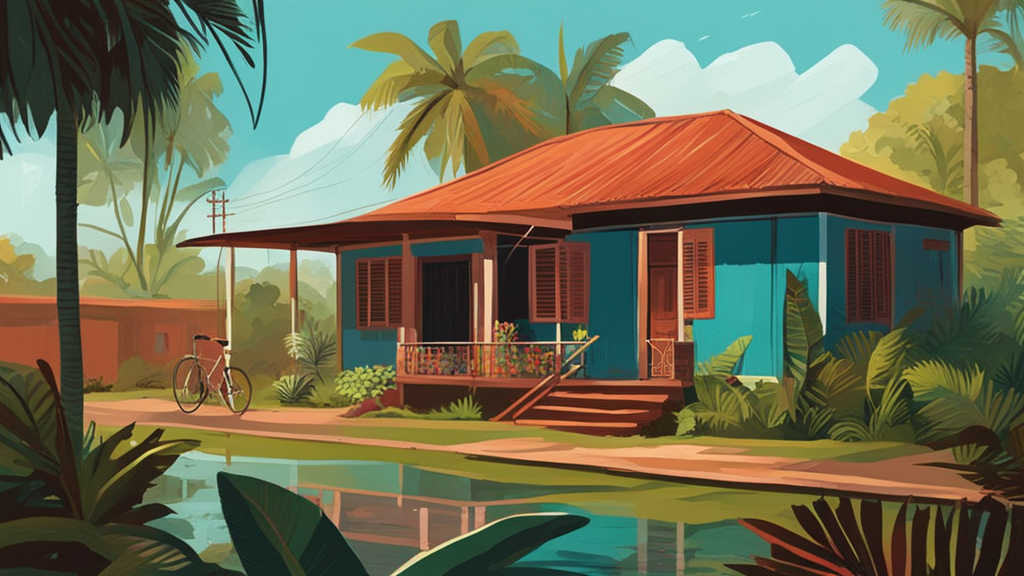
The Commewijne district is steeped in history, representing one of the oldest plantation areas in Suriname. Established during the colonial era, this region was once the heart of agricultural production, primarily sugar and coffee. Today, the remnants of these plantations, such as old plantation houses and historical sites, create a picturesque setting that feels like stepping back in time.
Many expats have found that cycling through Commewijne not only provides an enjoyable way to exercise but also serves as a gateway to understanding Suriname’s complex history. For example, you can visit Fort Nieuw Amsterdam, which was built to protect the area, and explore the remaining structures from the 18th and 19th centuries that dot the landscape.
Popular Cycling Routes
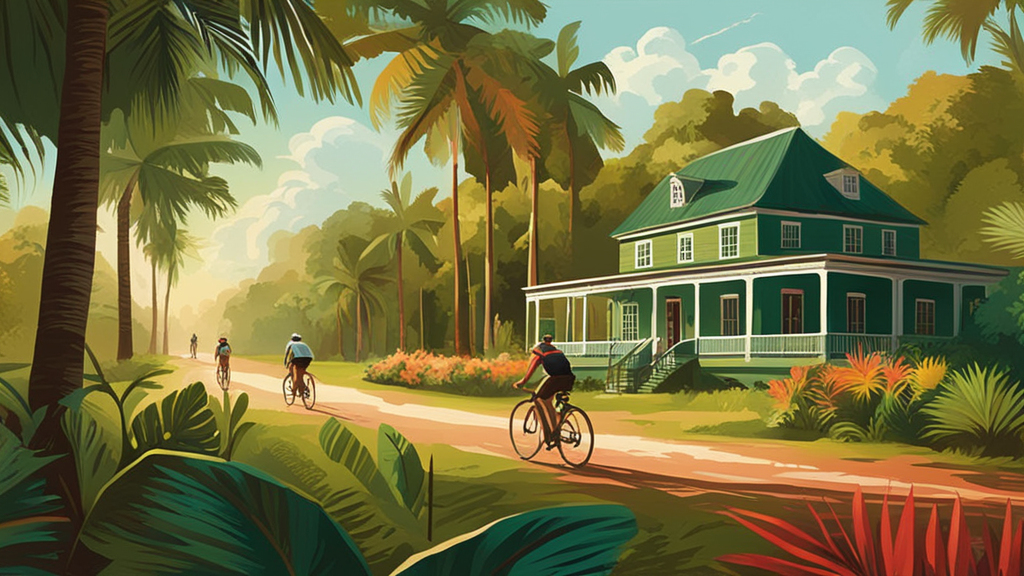
When planning a cycling tour in Commewijne, several routes are worth considering. The most popular path takes you from Paramaribo to various plantations, such as Peperpot and Mariënburg. This route is approximately 25 kilometers one way and is primarily paved, making it accessible for cyclists of all skill levels.
As you cycle, you’ll encounter beautiful natural scenery, including lush green fields and the tranquil waters of the Commewijne River. The route offers opportunities to stop at several plantations, where you can learn about the agricultural practices that shaped the region. Many cyclists enjoy taking breaks to soak in the views and snap photos of the iconic plantation houses.
What to Expect on the Tour
Typically, a cycling tour in Commewijne lasts between 5 to 8 hours, depending on your pace and the number of stops you make. During this time, you’ll have the chance to interact with local guides who can share insights into the history and culture of the region. Many expats recommend joining a guided tour, as this provides context and enriches the experience.
As you ride, you’ll likely pass by various wildlife, including birds and monkeys, which are common in the area. The tropical climate means you’ll be exposed to warm temperatures, usually ranging from 27°C to 32°C (80°F to 90°F) year-round, so be sure to stay hydrated and wear sunscreen.
Must-See Attractions
Along your cycling route, take the time to visit key attractions that highlight the area's cultural richness. The Peperpot plantation is a particular highlight, known for its historical significance and beautiful surroundings. You can explore the remnants of the plantation buildings and even spot wildlife in the adjacent nature reserve.
Another interesting stop is the Mariënburg plantation, where you can learn about the sugar production process. Many expats recommend setting aside time for a guided tour of the plantation to gain a deeper understanding of the historical context.
Preparing for Your Cycling Adventure
Before embarking on your cycling tour, there are several practical considerations to keep in mind. First, ensure that your bicycle is in good condition, especially if you’re renting one. It’s advisable to check the tires, brakes, and gears to avoid any mishaps during your ride.
Next, consider the weather. The tropical climate means sudden rain showers can occur, so packing a lightweight poncho or rain jacket can be helpful. Wearing breathable clothing and comfortable shoes will enhance your cycling experience, allowing you to enjoy the ride without discomfort.
Local Cycling Tours
If you prefer a guided experience, there are several local companies that offer organized cycling tours in the Commewijne region. These tours often include bike rental, a guide, and sometimes even meals or snacks. Typically, prices can range from $50 to $100 per person, depending on the length and inclusivity of the tour.
Expats often recommend booking your tour in advance, especially during peak tourist seasons, as spaces can fill up quickly. It’s also a great opportunity to meet fellow expats and make new friends in the area.
Practical Tips for Expat Cyclists
For expatriates new to cycling in Suriname, here are some insider tips to enhance your experience:
- Stay Hydrated: Carry a water bottle with you and take regular breaks to drink water, especially in the heat.
- Use Sunscreen: Protect your skin with a high-SPF sunscreen, as the sun can be intense.
- Be Mindful of Traffic: While many roads in Commewijne are quieter, always be aware of your surroundings and follow local traffic rules.
- Engage with Locals: Don’t hesitate to ask locals for directions or tips; they often have the best advice on hidden gems along the route.
- Cultural Respect: Remember that some plantations are still inhabited and operated, so be respectful of the local customs and regulations while visiting.
Conclusion
Cycling through the Commewijne Plantation region is a rewarding experience that offers insights into Suriname’s rich history and culture. Whether you are exploring historic plantations, interacting with local guides, or simply enjoying the tropical scenery, this cycling tour promises to be both enjoyable and educational. With proper preparation and an adventurous spirit, you’ll create memories that will last a lifetime in this beautiful part of Suriname.
AI-Generated Content: This article was created with AI assistance and may contain inaccuracies. Please verify important information with official sources.
Primary Sources
Last updated: September 2026