This guide was synthesized using the latest legislative data and verified by our editorial board. Laws are subject to change; always consult official sources for final confirmation.
Crossing the Corantijn River into Guyana from Suriname provides a unique opportunity to experience the lush landscapes and vibrant cultures of both countries. This guide offers practical advice, step-by-step instructions, and insider tips to make your border crossing as smooth as possible.
Understanding the Border Crossing
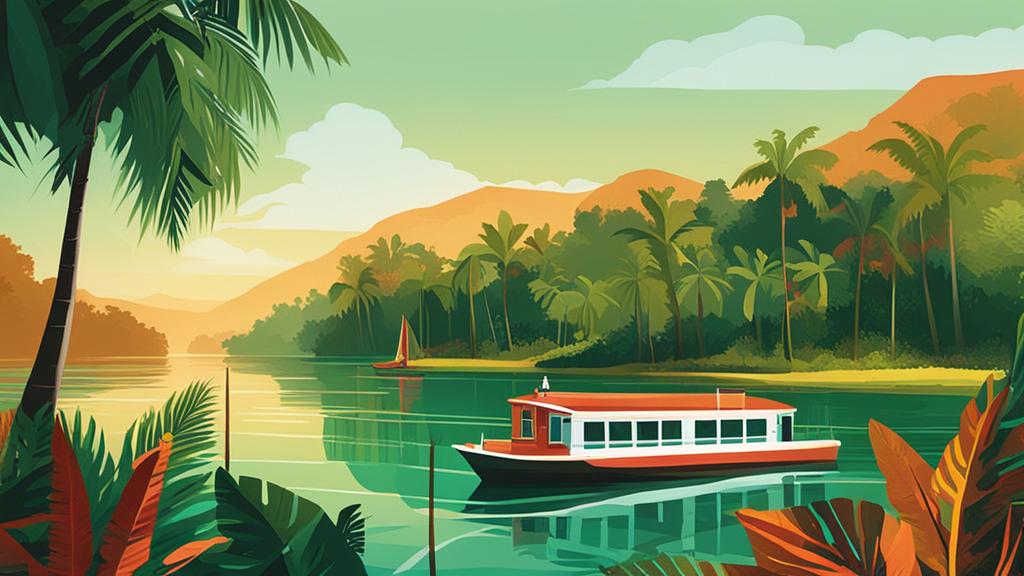
The Corantijn River serves as the natural border between Suriname and Guyana, and the crossing is primarily done via ferry from Moleson Creek in Guyana to South Drain in Suriname. The ferry ride takes about 45 minutes, allowing travelers to enjoy the scenic views of the river and its surroundings. The river is known for its small communities and floating houses, making the journey more interesting.
Crossing Process Overview
When crossing this border, it is essential to be prepared for both departure and entry procedures. Travelers should arrive at the ferry terminal early to avoid any last-minute rush. Typically, it is advisable to be at the terminal around 8:00 a.m. for the 10:30 a.m. ferry. This gives ample time for ticket purchases and immigration formalities.
Before boarding, travelers must complete an exit form for Guyana, usually available at the terminal or online. Be sure to fill this out accurately to avoid delays. Upon arrival in Suriname, travelers will undergo immigration checks and must present their passports and any required documents.
Traveling to Moleson Creek
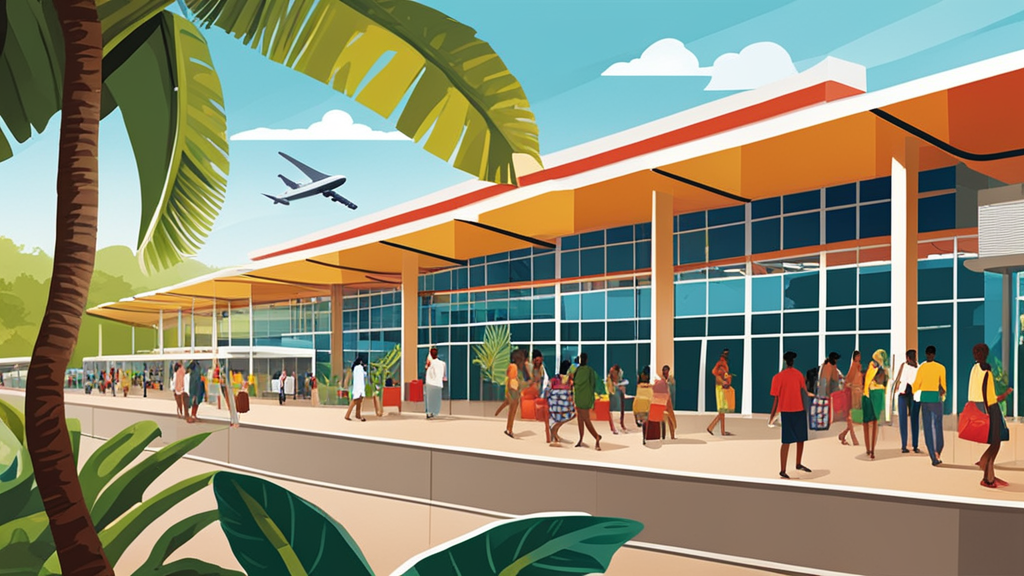
Most travelers begin their journey at Cheddi Jagan International Airport (CJIA) in Georgetown, Guyana, which is well connected with international flights. From the airport, you have a few options to reach Moleson Creek:
- Private Car: Renting a car or hiring a taxi is the fastest way, taking approximately 4 hours. The route passes through various picturesque landscapes and local towns.
- Public Minibus: For a more budget-friendly option, you can take a public minibus from Stabroek Market. These minibuses depart early in the morning and take about 5 hours to reach Moleson Creek. The fare is typically around GYD$2,500–3,000 (equivalent to $1.00–$1.50).
Ferry Details and Costs
The ferry operates daily, but there is only one regular departure at 10:30 a.m., making it crucial to plan ahead. The ticket cost is approximately USD$20, which can generally be paid in either Guyanese dollars or US dollars. Cash is the only accepted payment method.
Make sure to carry your yellow fever vaccination certificate, as this document is often requested at the border. The ferry accommodates both passengers and vehicles, but boarding is done in an orderly manner, with vehicles taking priority. Arriving early allows you to secure a good spot and ensure you can board without any hassle.
What to Expect on the Ferry
The ferry ride is a calm and scenic experience. Travelers can relax on the upper deck and take in the views of the river and the occasional sight of local fisherman or small boats navigating the waters. Snacks and beverages may be available for purchase, and the atmosphere is generally friendly and bustling.
Upon arriving at South Drain, travelers will disembark and immediately proceed to the immigration counter. Here, you will need to show your passport and pay an entry fee of USD$58, which is required for most nationalities. Be sure to have this fee ready to avoid any delays.
Transportation from South Drain to Paramaribo
Once you clear immigration at South Drain, your next step is to get to Paramaribo, the capital city of Suriname. The distance from South Drain to Paramaribo is approximately 100 kilometers (about 62 miles), and the journey typically takes around 4 hours by road.
Transport Options
- Shared Minibuses: These minibuses are a convenient option for travelers and can be found near the border terminal. Expect to pay around USD$35 for the trip to Paramaribo. The minibuses usually fill up quickly, so it’s best to board as soon as you arrive.
- Private Taxi: For those seeking more comfort or traveling in a group, hiring a private taxi can be a good choice. While more expensive, this option offers the convenience of direct service to your destination in Paramaribo.
Safety Considerations
While both Suriname and Guyana are generally safe for travelers, it’s always wise to be cautious, particularly in more remote areas. Keep your belongings secure, avoid displaying valuables, and be aware of your surroundings, especially when traveling at night.
In the border area, be mindful of your travel documents and any cash you may be carrying. It’s advisable to have a small amount of local currency for minor expenses, but keep larger amounts in a secure location.
Practical Tips for Expats
As an expatriate, navigating the border crossing can be straightforward with the right preparation. Here are some key tips to enhance your experience:
- Document Preparation: Ensure that your passport is valid for at least six months beyond your intended stay. Have copies of important documents, including your yellow fever vaccination certificate, in case they are requested.
- Language Considerations: While English is spoken in Guyana, Dutch is the official language in Suriname. Learning a few basic phrases in Dutch can be helpful when interacting with locals.
- Plan for Delays: Be prepared for potential delays at the border and during the ferry ride. Allow extra time in your travel itinerary to accommodate unexpected holdups.
- Stay Hydrated: The tropical climate can be humid, so keep hydrated throughout your journey. Carry a reusable water bottle to refill when possible.
Conclusion
The Corantijn River border crossing between Suriname and Guyana offers an enriching experience, connecting travelers to the diverse cultures of both countries. By following the outlined steps and tips, you can navigate the crossing efficiently. Plan your journey, arrive early, and enjoy the unique sights along the way. Whether you are a digital nomad, an international professional, or a family relocating, the adventure of crossing the border will be a memorable part of your time in Suriname and Guyana.
AI-Generated Content: This article was created with AI assistance and may contain inaccuracies. Please verify important information with official sources.
Primary Sources
Last updated: September 2026