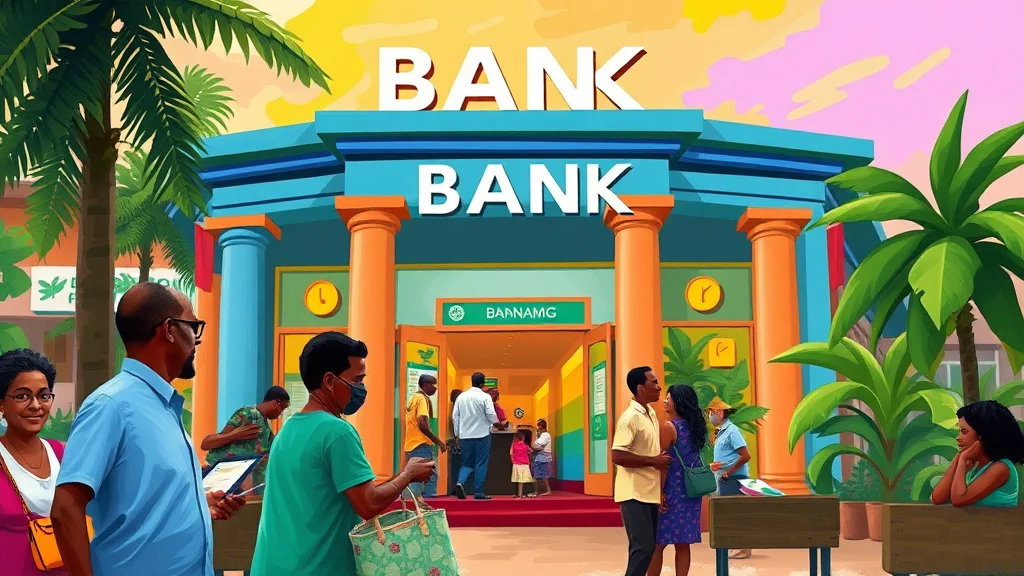

Opening a bank account in Paramaribo, Suriname, is an essential step for newcomers, whether you are an international professional, a digital nomad, or a family relocating for work or adventure. This guide will provide you with detailed information about the banking options available, the documents required, and practical tips to navigate the process smoothly.
Understanding the Banking Landscape in Suriname
Suriname's banking system consists of several commercial banks, with the most prominent being Republic Bank, DSB Bank, Fina Bank, and Hakrinbank. Each of these banks offers various services, including personal and business accounts, loans, and investment options. However, the banking infrastructure in Suriname is less developed compared to Western countries, which means that not all businesses accept card payments. Cash transactions, including U.S. dollars and Euros, are still common.
The Surinamese Dollar (SRD) has experienced significant devaluation, which affects how expats manage their finances. Understanding the local currency and banking practices is crucial for effective financial planning. Typically, banks in Suriname do not have correspondent arrangements with U.S. banks, which can complicate international transfers.
Choosing the Right Bank
When selecting a bank in Paramaribo, consider factors such as fees, accessibility, and services offered. Here’s a brief overview of some major banks:
- Republic Bank: Known for its extensive network and customer service, Republic Bank offers various account types, including savings and checking accounts.
- DSB Bank: This bank provides personalized banking services and is known for its competitive interest rates on savings accounts.
- Fina Bank: Fina Bank focuses on retail banking and offers a range of financial products tailored to individual needs.
- Hakrinbank: This bank is recognized for its digital banking services, making it a convenient option for tech-savvy expats.
Evaluate each bank's offerings based on your specific needs, such as whether you require online banking, international wire transfers, or specific account features. Visiting local branches can also provide insights into customer service quality.
Documents Required to Open an Account
Opening a bank account in Suriname typically requires several documents. While requirements may vary slightly by bank, the following are generally needed:
- Valid Identification: A passport or a national ID card is usually required. Ensure that your identification is current and not expired.
- Proof of Address: This can be a utility bill, lease agreement, or any official document that shows your name and local address in Suriname.
- Employment Verification: Some banks may ask for proof of employment or a letter from your employer confirming your position and salary.
- Initial Deposit: Most banks require an initial deposit to open an account. This amount can vary, so check with the bank beforehand.
It’s advisable to bring both physical and digital copies of these documents to expedite the process. Additionally, some banks may require a tax identification number, especially for foreign nationals.
The Account Opening Process
The process of opening a bank account in Paramaribo is relatively straightforward but can take some time due to paperwork and verification. Here’s a step-by-step guide:
- Visit the Bank: Choose a bank and visit a local branch. It’s often beneficial to go during off-peak hours to avoid long wait times.
- Complete the Application: Fill out the account application form provided by the bank. Ensure all information is accurate to avoid delays.
- Submit Documents: Present the required documents to the bank representative. They will verify your identity and address.
- Initial Deposit: Make the initial deposit as required by the bank. Keep the receipt as proof of your transaction.
- Receive Account Details: Once your application is approved, you will receive your account details, including your account number and any associated banking cards.
Typically, the entire process can take anywhere from a few hours to several days, depending on the bank's workload and the completeness of your documentation.
Practical Tips for Newcomers
Here are some insider tips to help you navigate the banking landscape in Suriname:
- Understand Fees: Be aware of any monthly maintenance fees, withdrawal fees, or charges for international transfers. These can add up quickly and affect your budget.
- Consider Currency Exchange: If you plan to conduct transactions in USD or EUR, check the bank’s currency exchange rates. Some banks may offer better rates than others.
- Use Local ATMs: To avoid high withdrawal fees, use ATMs affiliated with your bank. Keep in mind that not all ATMs accept foreign cards.
- Stay Informed: Regularly check your bank statements and account activity to catch any discrepancies early. This is particularly important in a country with a fluctuating currency.
- Network with Other Expats: Join local expat groups or forums to share experiences and gather recommendations about banking and financial services.
Conclusion
Opening a bank account in Paramaribo is a vital step for newcomers looking to establish their financial footing in Suriname. By understanding the local banking landscape, preparing the necessary documents, and following the account opening process, you can set yourself up for financial success. Remember to choose a bank that aligns with your needs and stay informed about fees and services to make the most of your banking experience.
Exchange rate used in this article: 1 USD = 37.7877 SRD, 1 EUR = 42.4951 SRD (rate as of 2026-10-19, source: Centrale Bank van Suriname).