This guide was synthesized using the latest legislative data and verified by our editorial board. Laws are subject to change; always consult official sources for final confirmation.
For expatriates considering a move to Suriname, understanding the public transport system is crucial for daily commuting. This article delves into the reliability of public transport in Suriname, exploring the various modes available, their advantages and challenges, and practical tips for navigating the system effectively.
Overview of Public Transport in Suriname
Suriname's public transport system is characterized by a mix of buses, minibuses, and taxis, along with water taxis that navigate the country's extensive river networks. Unlike many Western countries, Suriname lacks subways or a modern rail system, which leads to a reliance on road and river transport. The capital, Paramaribo, serves as the hub for most public transport options, making it an essential location for expats.
Public transport is typically quite affordable. For example, bus fares in Paramaribo range from about SRD 10 to SRD 20 (approximately $0.50 to $1.00 USD) for short distances. However, the informal nature of the system can lead to some unpredictability, particularly in terms of schedules and vehicle conditions.
Types of Public Transport Available
Buses
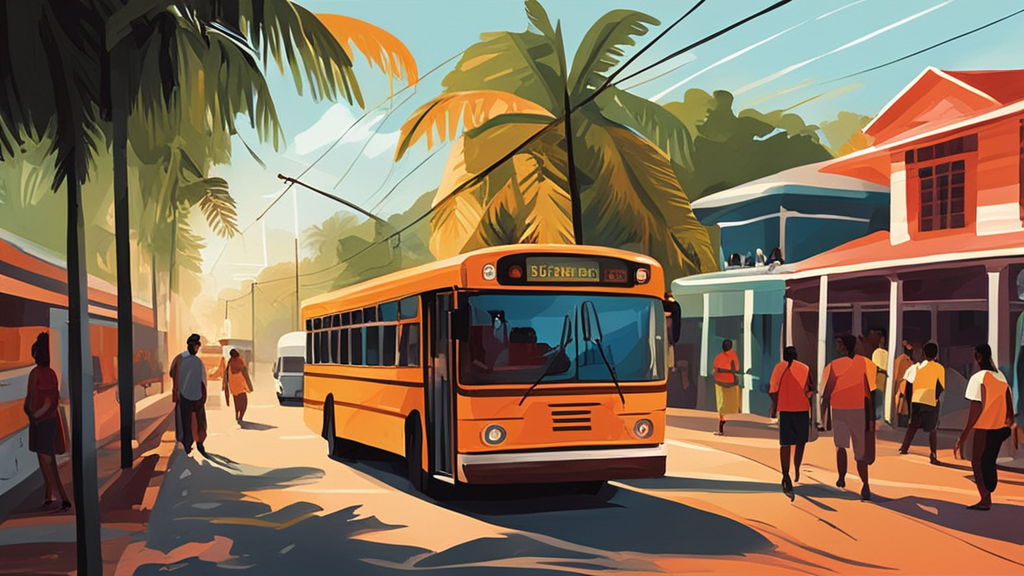
The bus network in Paramaribo is operated by several companies, including the P.L.O. network, which runs around twenty routes connecting various neighborhoods and districts. While buses are a cost-effective way to get around, they often depart only when they are full, leading to potentially long wait times, especially during off-peak hours.
Buses typically lack strict schedules and clear maps, which can be daunting for newcomers. For daily commuters, this means flexibility and a bit of patience are necessary. Locals often recommend using the Moovit app, which provides real-time information on routes and schedules, making navigating the bus system easier.
Minibuses
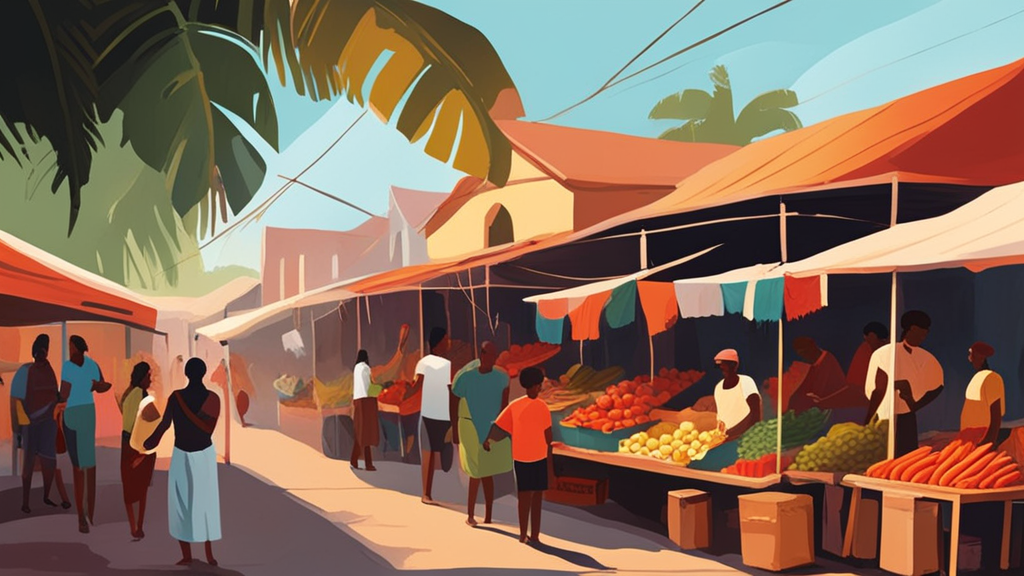
Minibuses are a popular alternative to traditional buses and are known for their flexibility. Operating on set routes, these shared vehicles can often be found at busy hubs like the Central Market or Heiligenweg. They are generally faster than buses because they leave once they are full, but this can also result in overcrowded conditions during peak hours.
Fares for minibuses typically fall within the range of SRD 50 to SRD 200 (approximately $2 to $8 USD) depending on the distance traveled. They offer a convenient option for getting to outlying areas that might not be easily accessible by bus, making them a practical choice for daily commuting.
Taxis and Ride-Hailing Options
Taxis in Suriname are widely available, particularly in urban areas. Unlike many Western countries, ride-hailing services such as Uber are not prevalent, and most taxis are called directly or booked through local companies. Taxi fares within Paramaribo typically range from SRD 40 to SRD 100 (around $2 to $5 USD), depending on the distance and traffic conditions.
While taxis provide a more comfortable and direct means of transport, they can be more expensive than buses or minibuses. For daily commuters, taxis are best reserved for times when speed and convenience are essential, such as late-night travel or when carrying heavy items.
Challenges of Public Transport in Suriname
Despite the various options available, there are notable challenges in Suriname's public transport system. The lack of infrastructure, such as dedicated bus lanes and clear signage, can lead to congestion and inefficiencies. Additionally, many vehicles are outdated, leading to reliability issues, especially during adverse weather conditions common in this tropical country.
Another significant challenge is the informal nature of the public transport system. Many minibuses and taxis operate without strict regulations, which can sometimes result in safety concerns and inconsistent fare practices. For expats new to the area, it’s essential to remain cautious and aware of your surroundings while using public transport.
Practical Tips for Expat Commuters
For expatriates, navigating the public transport system can be made easier with a few insider tips:
- Keep Small Bills Handy: Always carry small denominations of SRD for bus and minibus fares, as drivers may not have change available.
- Ask Locals: Don’t hesitate to ask locals for directions or advice on which bus or minibus to take. They can provide insights that may not be found in guidebooks or apps.
- Use Mobile Apps: Download the Moovit app for real-time bus schedules and navigation assistance, ensuring smoother travel throughout the city.
- Be Flexible: Prepare for delays and variable wait times. Planning extra time for your commute can help alleviate stress during busy periods.
- Combine Transport Modes: For longer journeys, consider combining walking with bus or taxi rides to make the most of your commute.
Conclusion
Overall, public transport in Suriname offers a reliable means for daily commuting, though it comes with its share of challenges. Buses and minibuses are affordable and widely used, while taxis provide a more direct option. Expats should prepare for a system that requires flexibility and adaptability, as well as a willingness to engage with locals for the best travel experiences. With the right approach, navigating public transport can become an integral part of life in Suriname.
AI-Generated Content: This article was created with AI assistance and may contain inaccuracies. Please verify important information with official sources.
Exchange rate used in this article: 1 USD = 16.00 SRD, 1 EUR = 17.05 SRD (rate as of 2026-07-27, source: Centrale Bank van Suriname).
Last updated: September 2026