This guide was synthesized using the latest legislative data and verified by our editorial board. Laws are subject to change; always consult official sources for final confirmation.
For expatriates moving to Suriname, understanding the education system is crucial, especially for families with children. This article compares the Suriname education system with its Dutch counterpart, highlighting key differences and providing actionable insights for international professionals and families. You will learn about curriculum structures, language of instruction, and practical tips for navigating the educational landscape in Suriname.
Overview of the Education Structure
Suriname's Education System
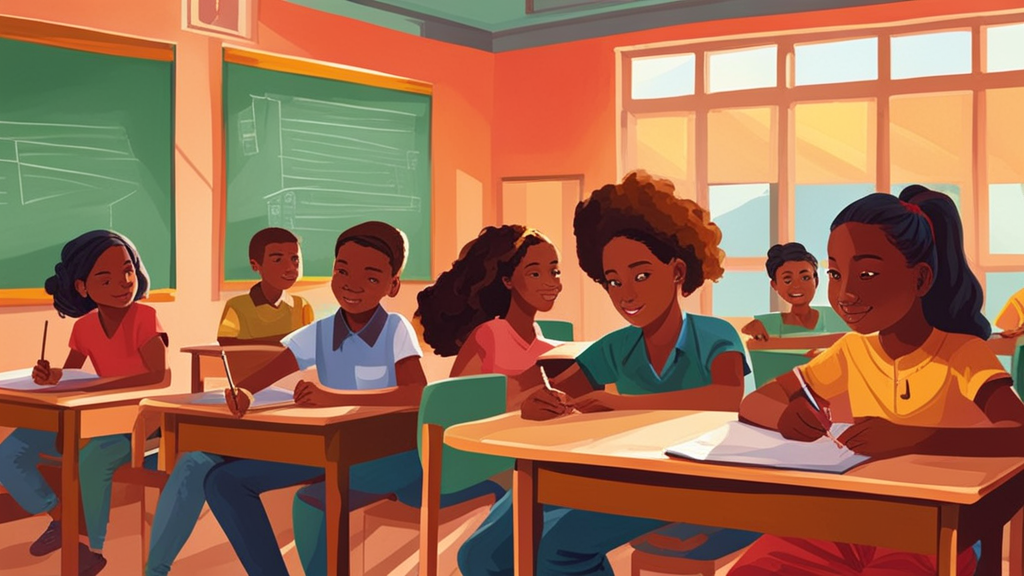
The Suriname education system is structured in several stages: primary, secondary, and higher education. Primary education lasts for eight years and is mandatory for children aged 4 to 12. After primary school, students enter lower secondary education before choosing between academic or vocational tracks. Higher education is offered through universities and colleges, with many institutions conducting classes in Dutch, the official language.
Dutch Education System
In contrast, the Dutch education system also consists of primary, secondary, and higher education. Primary education lasts for eight years, and students are required to attend school between the ages of 5 and 16. After primary school, students are directed to different types of secondary education based on their abilities and interests: VMBO (preparatory vocational education), HAVO (higher general secondary education), and VWO (preparatory academic education). The Dutch system places a strong emphasis on academic achievement and vocational training, preparing students for higher education or entering the workforce directly.
Curriculum and Language of Instruction
Curriculum in Suriname
The curriculum in Suriname is heavily influenced by its historical ties with the Netherlands. Subjects such as math, science, and social studies are commonly taught, along with Dutch language courses. Suriname's schools typically prioritize core subjects, with an increasing focus on technology and environmental education as the country evolves. Educational institutions also offer extracurricular activities, which play a vital role in developing social skills among students.
Curriculum in the Netherlands
The Dutch curriculum is known for its flexibility and comprehensive approach. Schools encourage critical thinking and creativity, with subjects like arts, physical education, and citizenship being integral parts of the curriculum. Language education is essential, with students learning Dutch as well as a second language, often English or German. The curriculum's emphasis on independent learning helps prepare Dutch students for higher education and professional life.
Quality of Education
Education Quality in Suriname
Suriname's education system has received mixed reviews from expatriates. Many report that the quality of education can vary significantly between urban and rural areas, with urban centers like Paramaribo generally offering better resources and facilities. Some expatriates have noted that the level of education in Suriname is comparable to or even higher than that of the Netherlands, particularly in terms of student engagement and teacher-student relationships. However, issues such as overcrowded classrooms and limited access to modern educational materials can pose challenges.
Education Quality in the Netherlands
The Dutch education system is often praised for its high standards and well-trained educators. The Netherlands consistently ranks high in international education assessments, showcasing a strong performance in literacy, math, and science. Schools are well-resourced, and teachers receive continuous professional development to keep up with educational advancements. The focus on inclusivity ensures that all students, regardless of background or ability, receive the support they need to succeed.
Cultural Differences and Adaptations
Adapting to Suriname's Education Culture
Expats moving to Suriname may find cultural differences in the approach to education. Surinamese schools often emphasize respect for teachers and authority figures, which may differ from the more informal student-teacher dynamics seen in some Western countries. Parents are encouraged to be involved in their children's education, and communication between schools and families is generally open and encouraged.
Adapting to Dutch Education Culture
In the Netherlands, education is characterized by a more egalitarian approach. Students are encouraged to express their opinions and engage in discussions, which can be a departure from what some expat families are accustomed to. Parents play a supportive role, but there is a strong emphasis on fostering independence in children. Understanding these cultural nuances can help expat families navigate the education systems more effectively.
Practical Tips for Expat Families
Choosing the Right School
For expatriate families in Suriname, selecting the right school is crucial. Research local schools in Paramaribo, where several international schools offer various curricula. Consider visiting schools, meeting teachers, and understanding their educational philosophy before making a decision. Some families opt for international schools that follow American or British curricula, which can ease the transition for children moving from Western countries.
Engagement and Support
Engagement with the school community can significantly enhance the educational experience for expat children. Attend school events, participate in parent-teacher meetings, and connect with other expat families. This not only builds a support network but also helps you stay informed about educational opportunities and challenges your children may face. Additionally, consider language classes for your children if they are not fluent in Dutch, as this will help them integrate better into the local education system.
Conclusion
In summary, the education systems in Suriname and the Netherlands share similarities, particularly in language and structure, but also exhibit notable differences in quality and cultural approaches. For expatriate families, understanding these nuances can facilitate a smoother transition into the Surinamese education landscape. Engaging with the school community and being proactive in choosing the right educational path can greatly enhance your children’s academic experience in Suriname.
AI-Generated Content: This article was created with AI assistance and may contain inaccuracies. Please verify important information with official sources.
Primary Sources
Last updated: September 2026