This guide was synthesized using the latest legislative data and verified by our editorial board. Laws are subject to change; always consult official sources for final confirmation.
The interplay between Brazilian and Surinamese communities is a fascinating aspect of life in Suriname, marked by a blend of cultures, business collaborations, and daily interactions. Understanding how these two distinct groups engage can provide valuable insights for expatriates living in or relocating to Suriname. This article explores the historical context, daily interactions, cultural exchanges, and practical tips for navigating this multicultural landscape.
Historical Context of Brazilian Migration to Suriname
Brazilian migration to Suriname began significantly after the civil war in Suriname, which ended in 1992. The gold mining industry in the eastern part of the country saw a surge in activity, attracting many Brazilian garimpeiros (gold miners) seeking opportunities. These migrants primarily settled in the Maroon regions where gold mining is prevalent. Over the years, this influx has shaped the economic dynamics of the area, leading to various interactions between Brazilian migrants and the local Maroon communities.
Typically, the relationship between Brazilians and Maroons has been less contentious than one might expect, given the competitive nature of gold mining. Both groups often collaborate on mining operations, forming teams led by a patron or foreman (patrão). These partnerships are crucial as they allow both Brazilian and Maroon miners to share resources and mitigate risks associated with informal gold mining. As a result, a unique entrepreneurial culture has emerged, blending Brazilian business practices with local customs, creating a dynamic economic environment.
Daily Life and Cultural Exchanges
Community Interactions
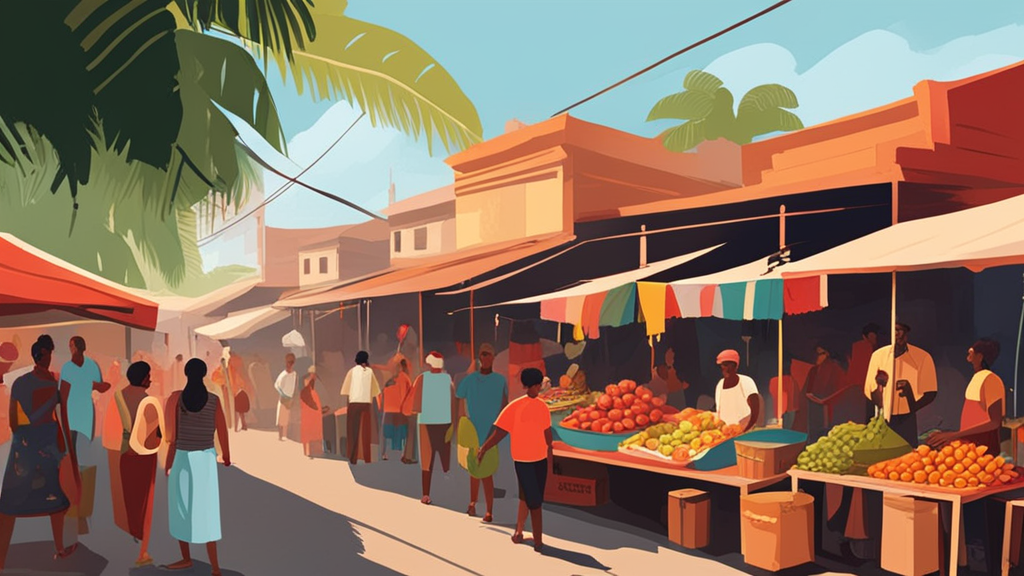
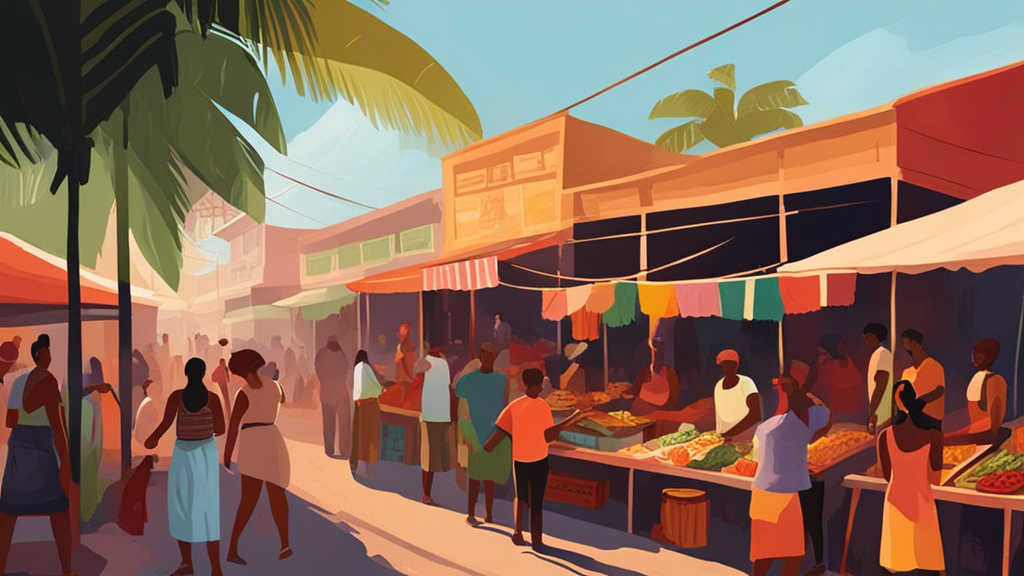
In the urban areas of Paramaribo, the capital of Suriname, the daily interactions between Brazilian and Surinamese communities are visible in various social settings. Markets are lively hubs where both communities come together to trade goods and services. Brazilian grocery stores and restaurants have begun to flourish, offering Brazilian dishes such as feijoada and pão de queijo, which are becoming popular among locals. This culinary exchange enriches the local food scene, allowing expatriates and locals to experience diverse flavors.
Furthermore, cultural events often see participation from both Brazilian and Surinamese groups. Festivals such as Keti Koti, which commemorates the abolition of slavery, attract attendees from various backgrounds. During these events, Brazilian music and dance, like samba, can often be seen blending with traditional Surinamese styles, creating a vibrant atmosphere that celebrates cultural diversity. Such interactions foster mutual respect and understanding between the two communities, enriching the multicultural tapestry of Suriname.
Language and Communication
Communication is another crucial aspect of daily interactions. Sranan Tongo, the lingua franca of Suriname, is widely spoken among locals. However, many Brazilians also speak Portuguese, which can sometimes lead to language barriers. Expats may find it helpful to learn basic phrases in both languages to facilitate smoother interactions. Understanding local greetings and expressions can also enhance relationships and show respect for the diverse cultures present in Suriname.
Economic Contributions and Collaborations
Business Ventures
The economic contributions of Brazilian migrants are substantial, particularly in sectors like gold mining, agriculture, and small businesses. Brazilian entrepreneurs have established various ventures, from restaurants to construction companies, contributing to the local economy. These businesses often employ locals, fostering job creation and skill development. For instance, many Brazilian-owned restaurants source ingredients from local farmers, creating a sustainable business model that benefits both communities.
Moreover, the informal nature of the gold mining sector allows for flexible partnerships. Brazilian miners often assist Maroon miners with technical knowledge and equipment, which can lead to increased productivity and safer mining practices. This collaboration not only enhances economic outcomes but also builds trust and interdependence among communities.
Challenges and Tensions
Despite the positive interactions, challenges do exist. The competitive nature of gold mining can lead to tensions, particularly when resources are scarce. Additionally, environmental concerns arise due to mining practices, affecting local ecosystems and the livelihoods of indigenous communities. It is essential for both Brazilians and Surinamese to engage in dialogues about sustainable practices to mitigate these challenges. Building awareness and promoting responsible mining can pave the way for better coexistence and environmental stewardship.
Practical Tips for Expats
Building Relationships
For expatriates looking to integrate into the Brazilian and Surinamese communities, building relationships is key. Here are some practical tips:
- Learn the Language: Familiarize yourself with basic Sranan Tongo and Portuguese phrases to enhance communication and show respect for local customs.
- Participate in Cultural Events: Attend festivals and community gatherings to immerse yourself in the local culture and meet new people. This is a great way to learn about the traditions and history of both communities.
- Support Local Businesses: Frequent Brazilian and Surinamese restaurants, markets, and shops. This not only helps the local economy but also allows you to experience the rich culinary offerings from both cultures.
Respecting Cultural Norms
Cultural sensitivity is crucial when navigating daily interactions. Brazilian and Surinamese societies have unique customs and traditions. Here are some etiquette tips:
- Be Open-Minded: Embrace the diversity of cultures and be willing to learn from others. Approach differences with curiosity rather than judgment.
- Participate in Local Customs: Engage in local customs and traditions, such as attending celebrations like Diwali or Eid al-Fitr, if invited. This shows respect for the community and fosters goodwill.
- Be Aware of Social Dynamics: Understand the historical context of Brazilian migration and the relationships with local communities. This awareness can help avoid misunderstandings and foster positive interactions.
Conclusion
The interactions between Brazilian and Surinamese communities in Suriname are a testament to the power of cultural exchange and collaboration. Through daily engagements in markets, festivals, and businesses, both groups enrich each other's lives and contribute to the vibrant fabric of Surinamese society. For expatriates, understanding these dynamics and embracing the multicultural environment can lead to rewarding experiences and meaningful connections in this tropical paradise.
AI-Generated Content: This article was created with AI assistance and may contain inaccuracies. Please verify important information with official sources.