
This guide was synthesized using the latest legislative data and verified by our editorial board. Laws are subject to change; always consult official sources for final confirmation.
The Holi Phagwa festival, celebrated in Paramaribo, Suriname, is a vibrant expression of joy, color, and community. Known as the Festival of Colors, it marks the arrival of spring and symbolizes the victory of good over evil. This article will guide you through the festival’s significance, practical tips for participation, and local insights to enhance your experience as an expatriate.
Understanding Holi Phagwa in Suriname
Holi, originally a Hindu festival, has evolved into a multicultural celebration in Suriname, reflecting the country's diverse heritage. The festival typically takes place in March, coinciding with the full moon, and is marked by joyous gatherings, music, and, of course, the throwing of colored powders. In Paramaribo, the event draws crowds from various backgrounds, uniting people in celebration.
During Holi Phagwa, participants engage in playful color fights, where everyone joyfully splashes colored powders on each other. This practice is not just for fun; it symbolizes the spirit of unity and the arrival of spring. Expect to see vibrant scenes filled with laughter, dance, and traditional music resonating through the streets, particularly in areas like the historic inner city, a UNESCO World Heritage Site.
Key Events and Activities
Major Celebrations in Paramaribo
In Paramaribo, several key events take center stage during Holi Phagwa. The Lustig Phagwa Festival is one of the most popular, featuring live music, dance performances, and cultural showcases. Expect colorful parades and a lively atmosphere as families and friends come together to celebrate. Typically, festivities are held at venues like Boulevard-Copacabana, where large stages are set up for performances by local artists.
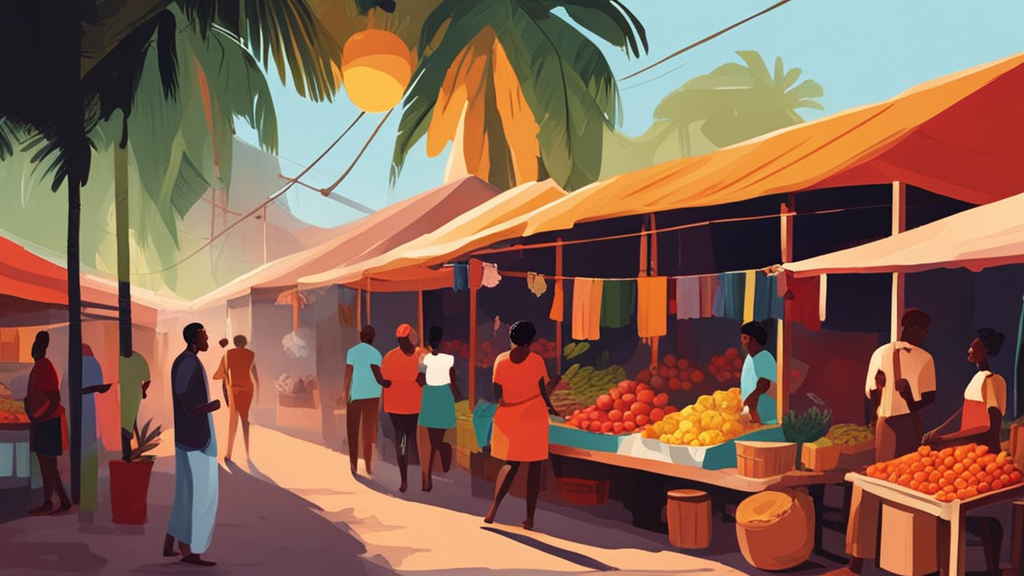
Another noteworthy event is the community gathering at various parks and public spaces, where people of all ages participate in traditional games, enjoy festive foods, and share stories. Local vendors often set up stalls selling delicious snacks, sweets, and beverages, adding to the festive atmosphere. Be prepared for a sensory overload as the air fills with the scent of spices and sweets!
Traditional Foods and Drink
Food plays a significant role in the Holi Phagwa celebration. Typical dishes you can expect include a variety of sweets such as gujiya (a fried pastry filled with a sweet mixture), and savory snacks that reflect Suriname's culinary diversity. Many families prepare large meals that are shared with neighbors and friends, reinforcing community bonds.
Additionally, traditional drinks like thandai (a milk-based beverage infused with spices) are commonly enjoyed during the festival. Be sure to try these local delights, as they add a unique flavor to your Holi experience. Remember, food is not just sustenance; it embodies the spirit of sharing and hospitality prevalent in Surinamese culture.
Practical Tips for Expatriates
Getting Involved
If you're an expatriate looking to participate in Holi Phagwa, there are several ways to get involved. Start by joining local social media groups and community forums to stay updated on events and gatherings. Many expatriates find it helpful to connect with local families who celebrate the festival, as they can provide insights and invite you to participate in their celebrations.
Dress appropriately for the occasion; white or light-colored clothing is recommended as it allows the vibrant powders to show vividly. However, be aware that these colors can stain, so wear something comfortable that you don’t mind getting messy. Also, consider bringing your own colored powders, which are often available at local markets, to join in the fun.
Safety and Considerations
While the festival is a joyous occasion, it's important to keep a few safety tips in mind. Stay hydrated, as the tropical climate in Suriname can be quite warm, especially during the day. Carry water with you, and take breaks in shaded areas when needed. If you have sensitive skin or allergies, consider using natural powders or consult with locals about the best options for skin safety.
Always be respectful of the local customs and practices. While playful color throwing is a staple of Holi, it’s essential to ensure that everyone is comfortable with participation. Engaging with locals and observing their interactions can provide guidance on how to enjoy the celebration while honoring its cultural significance.
What Expats Should Know
Holi Phagwa in Suriname is more than just a festival; it's an opportunity to experience the rich cultural tapestry of the nation. As an expatriate, immersing yourself in this celebration can help you connect with the local community and gain a deeper appreciation for Surinamese culture. Take the time to learn about the festival's history and significance, as this knowledge will enhance your experience.
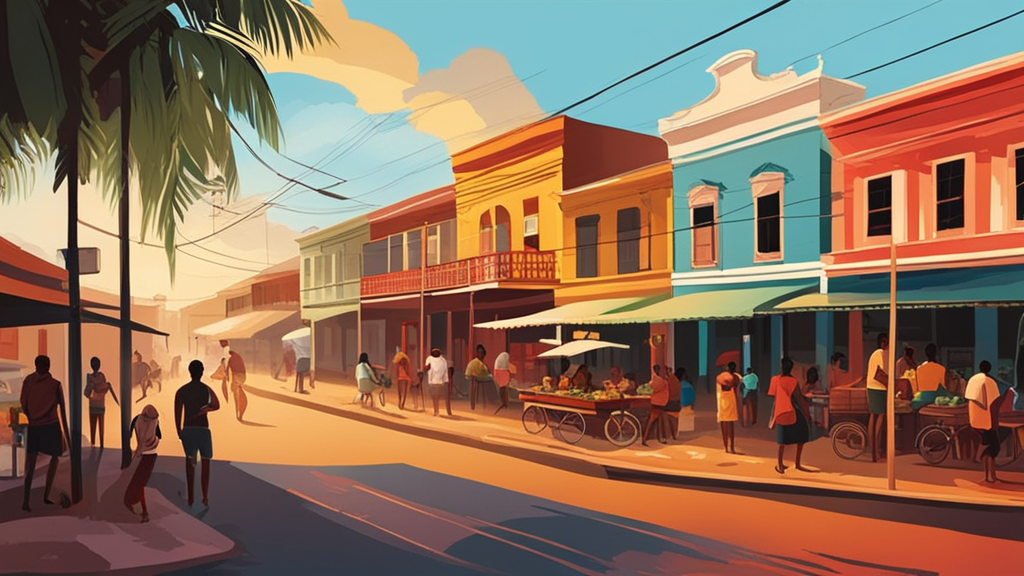
Consider exploring the historic inner city of Paramaribo before or after the celebrations. The area's colonial architecture and vibrant street life provide a beautiful backdrop for understanding the cultural context of Holi. Many expats find that visiting local markets and engaging with residents during this time enriches their understanding and enjoyment of the festival.
In conclusion, Holi Phagwa in Paramaribo, Suriname, is a lively celebration filled with color, joy, and community spirit. By understanding the festival’s significance, participating in local events, and embracing the culture, expatriates can create lasting memories during this joyful occasion. Prepare to enjoy the delicious food, vibrant colors, and the warm hospitality of the Surinamese people as you partake in this unforgettable experience.
AI-Generated Content: This article was created with AI assistance and may contain inaccuracies. Please verify important information with official sources.
Last updated: September 2026