This guide was synthesized using the latest legislative data and verified by our editorial board. Laws are subject to change; always consult official sources for final confirmation.
Relocating to Suriname can be an exciting adventure filled with vibrant culture, warm weather, and beautiful landscapes. To help you settle in smoothly, this article outlines the essential tasks you should tackle during your first month in Suriname and the order in which to address them. From setting up your living arrangements to understanding local customs, we’ve got you covered.
Finding Accommodation
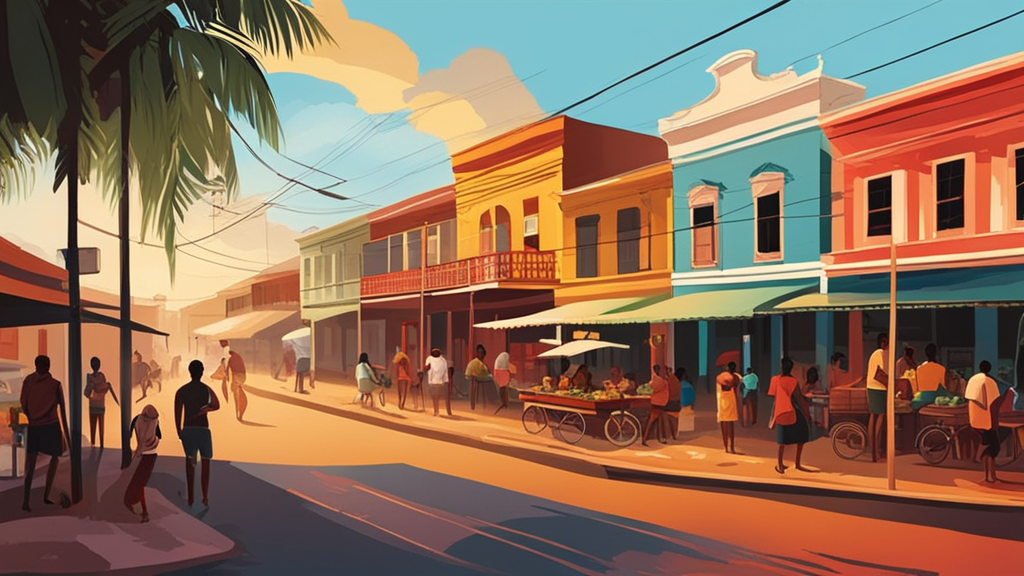
Your first priority after arriving in Suriname should be securing a place to live. Depending on your circumstances, you might start with short-term rentals while searching for something more permanent. The bustling city center of Paramaribo offers a mix of historic architecture and modern amenities, while other areas may provide different atmospheres. Rental prices for modest apartments can vary widely, so it's advisable to research current market conditions.
While looking for accommodation, it's advisable to visit various properties to get a feel for the neighborhoods. Websites and local classifieds can provide leads, but expat forums may offer invaluable insights and personal recommendations. Once you've found a suitable place, prepare to negotiate your lease terms, which can be more flexible than in Western countries.
Setting Up Utilities
Once you've secured your accommodation, the next step is to set up utilities. In Suriname, you will need to arrange for electricity, water, and internet services. Utility costs can vary depending on your usage and service provider, so it's wise to inquire about typical expenses in your area.
Local providers often have simple setup processes. For internet, you may want to inquire about both mobile and fixed-line options; many expats find that a combination offers the best value. Don't forget to check if your rental includes any utilities in the lease agreement to avoid unexpected costs.
Opening a Local Bank Account
Managing your finances is crucial during your first month, particularly if you plan to stay long-term. Opening a local bank account will facilitate easier transactions, whether you're receiving salary payments or paying bills. Generally, banks in Suriname require proof of residence and identification. The process is typically straightforward, and many expats find it can be completed relatively quickly.
Having a local account will also help you avoid international transaction fees. Additionally, familiarize yourself with the banking hours, which may differ from what you’re used to.
Understanding Local Culture and Customs
Suriname is a melting pot of cultures, reflecting its diverse ethnic makeup, including Indigenous peoples, Afro-Surinamese, and East Indian communities. Take time to learn about local customs, which can enhance your experience and ease your integration into the community. For example, greetings are often friendly and casual, and making an effort to engage in small talk can go a long way in building relationships.
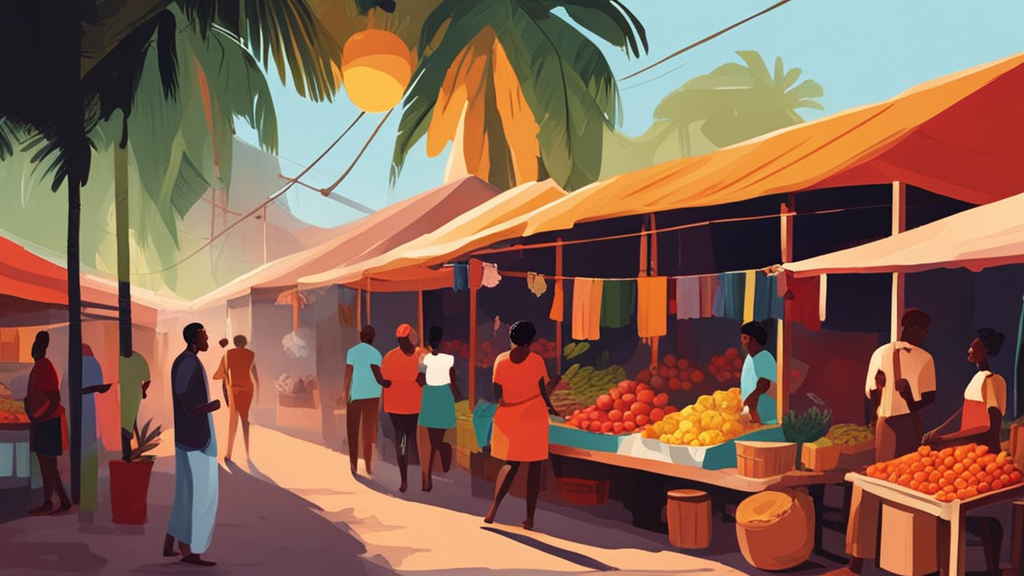
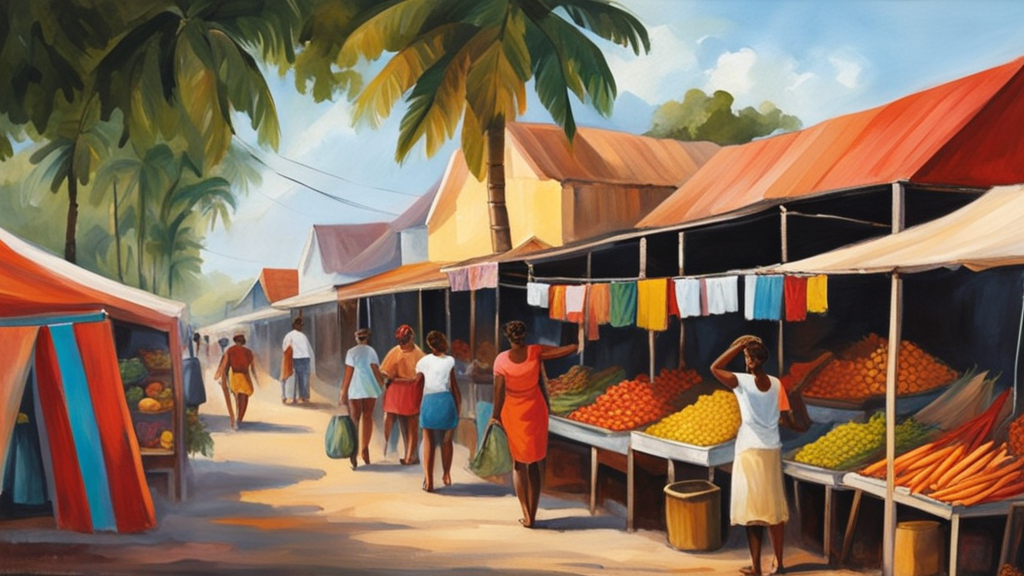
Food is an essential part of Surinamese culture. Explore local markets and try dishes to get a taste of the culinary landscape. Participating in community events or visiting neighborhood festivals can also provide a deeper understanding of the culture. Don’t hesitate to ask locals for recommendations—they often appreciate your interest in their heritage.
Getting Around and Transportation
Understanding transportation options is key to feeling settled. In Paramaribo, there are various public transport options available, which can be an economical way to get around, but they may not always run on a strict schedule. If you prefer more flexibility, consider renting or purchasing a bicycle.
For longer distances or trips outside the city, hiring a car or using ride-sharing services can be convenient. Familiarize yourself with local driving rules if you plan to drive, as they may differ significantly from what you're accustomed to. Make sure you have the necessary permits and insurance before hitting the road.
Practical Tips for New Expats
As you navigate your first month in Suriname, consider the following insider tips:
- Currency Exchange: Always keep some cash on hand, as not every establishment accepts credit cards. ATMs are available, but ensure you’re using one that is reliable and well-lit.
- Local Networking: Join expat groups on social media platforms or local meet-up events. This is a great way to make friends and get practical advice from those who have been through the relocation process.
- Language Skills: While English is widely spoken, learning a few basic phrases in Dutch or Sranan Tongo can help you connect with locals and show appreciation for their culture.
Conclusion
Your first month in Suriname will be filled with both challenges and rewarding experiences. By prioritizing tasks such as finding accommodation, setting up utilities, and immersing yourself in local culture, you can lay a solid foundation for your new life. Embrace the journey, and remember that building connections and understanding your surroundings will enhance your experience as an expatriate in this vibrant country.
AI-Generated Content: This article was created with AI assistance and may contain inaccuracies. Please verify important information with official sources.
Primary Sources
Last updated: September 2026