This guide was synthesized using the latest legislative data and verified by our editorial board. Laws are subject to change; always consult official sources for final confirmation.
Relocating to a new country can be both exciting and challenging, particularly for Dutch expatriates moving to Suriname. This article provides actionable tips for integrating into the vibrant expat community in Paramaribo, ensuring a smoother transition and enriching experience in this culturally diverse nation.
Understanding the Dutch-Surinamese Connection
Suriname, often referred to as Dutch Guyana, has a unique historical relationship with the Netherlands. This connection is evident in the language, culture, and even the legal system. Dutch is the official language, making communication easier for Dutch expatriates. However, understanding the local culture and customs is essential for successful integration.
Suriname is home to a diverse population, including Creoles, Javanese, Hindostan, Chinese, and Boerus. This multicultural environment means that while Dutch expats may find familiarities, they will also encounter a rich tapestry of traditions and practices that differ from their own. Engaging with local communities can provide a deeper understanding of Surinamese culture and foster friendships.
What can we put you in touch about?
Three short questions. Then we put you in touch with Expat Suriname, a trade name of BlueOceanSolutions B.V.. No account needed.
Visa and Immigration Requirements
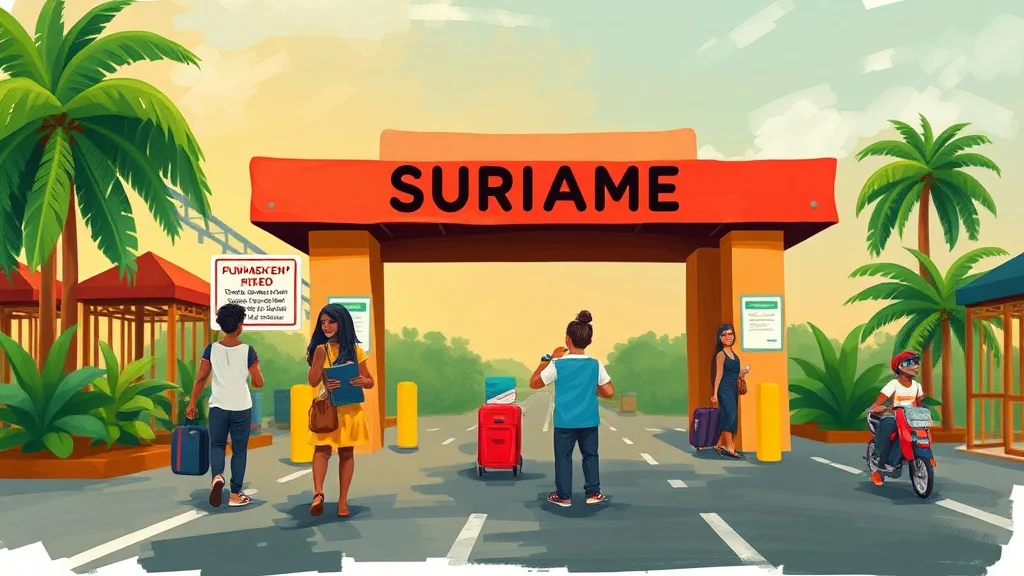
For Dutch citizens, the immigration process to Suriname is relatively straightforward compared to other nationalities. Typically, Dutch expats can enter Suriname without a visa for short stays, but for long-term residency, specific requirements must be met. The most common visa types include:
- Temporary Residence Permit: Suitable for those planning to stay for more than three months. Required documents include a valid passport, proof of accommodation, and a police clearance certificate.
- Work Visa: Necessary for expatriates intending to work in Suriname. Applicants must provide a job offer from a local employer, along with relevant qualifications and experience.
Processing times for these permits can vary, typically taking between 4 to 8 weeks. Fees may range from approximately 100 to 300 USD, depending on the visa type. It’s advisable to verify current fees and requirements with the Surinamese embassy or consulate, as policies may change.
Building a Social Network
Integrating into the local community is essential for a fulfilling expat experience. Here are some effective ways to build a social network in Paramaribo:
- Join Expat Groups: Several online platforms and social media groups cater specifically to expatriates in Suriname. These groups often organize meetups, cultural events, and social gatherings, providing a great opportunity to meet fellow expats and locals.
- Participate in Local Events: Engaging in community events, such as festivals, markets, and cultural celebrations, can help expats immerse themselves in Surinamese culture while meeting new people. The annual Suriname Carnival is a vibrant event that showcases local music, dance, and cuisine.
Additionally, consider volunteering at local organizations or schools. This not only helps the community but also allows expats to connect with locals and other expatriates who share similar interests.
Embracing Local Culture
Understanding and embracing local customs is crucial for successful integration. Surinamese culture is characterized by its hospitality and friendliness. Here are some cultural insights to keep in mind:
- Language: While Dutch is the official language, many locals also speak Sranan Tongo, Hindi, and Javanese. Learning basic phrases in Sranan Tongo can be a great icebreaker and show respect for the local culture.
- Dining Etiquette: Sharing meals is an important aspect of Surinamese culture. When invited to a local home, it’s customary to bring a small gift, such as fruit or sweets. Expect to enjoy a variety of dishes influenced by different cultures, including Indian, Chinese, and Creole cuisines.
Understanding the local customs surrounding time and punctuality is also important. Surinamese people often have a relaxed approach to time, so patience is key when scheduling meetings or social events.
Practical Tips for Daily Life
Living in Paramaribo comes with its own set of challenges and opportunities. Here are some practical tips for daily life:
- Transportation: The best way to navigate Paramaribo is by car, as public transport options are limited. Consider renting or purchasing a vehicle, preferably a 4x4, to handle the unpaved roads in some areas.
- Healthcare: Suriname has several hospitals and clinics, primarily in Paramaribo. While healthcare services are generally adequate, expats should consider obtaining health insurance that covers international medical care.
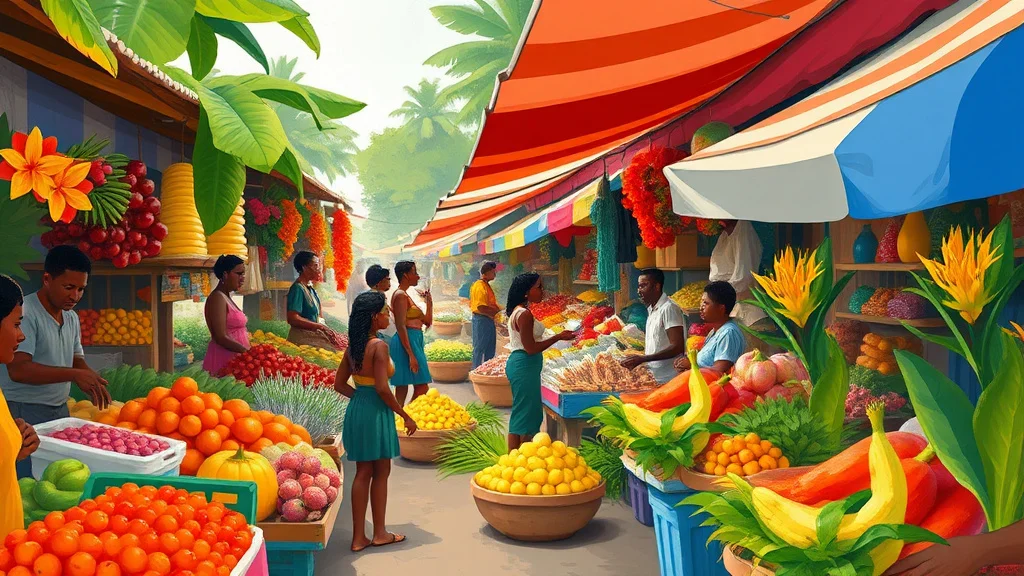
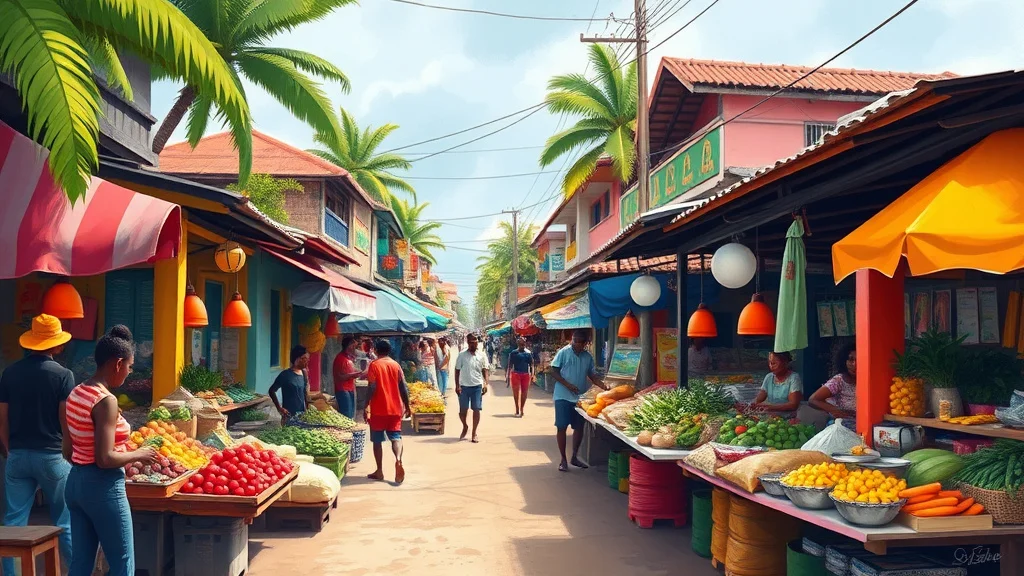
- Shopping: Supermarkets in Paramaribo offer a range of products, but stock can be inconsistent. It’s advisable to buy items when available, as they may not be restocked promptly. Local markets are also great for fresh produce and unique local products.
What Expats Should Know
Here are some insider tips to help Dutch expatriates thrive in Suriname:
- Be Open-Minded: Embrace the differences in lifestyle and culture. Being open to new experiences will enrich your time in Suriname.
- Stay Informed: Keep up-to-date with local news and events through community boards or social media groups. This will help you stay connected and informed about what’s happening in Paramaribo.
- Network with Other Expats: Connecting with other Dutch expatriates can provide valuable support and advice, especially during the initial transition period.
Conclusion
Integrating into the Dutch-Surinamese expat community in Paramaribo requires a blend of cultural understanding, social engagement, and practical knowledge. By embracing local customs, building a social network, and staying informed about daily life, Dutch expatriates can create a fulfilling and enriching experience in Suriname. Remember, the journey of integration is ongoing, and each step taken can lead to deeper connections and a greater appreciation for this beautiful country.
AI-Generated Content: This article was created with AI assistance and may contain inaccuracies. Please verify important information with official sources.
Last updated: September 2026