This guide was synthesized using the latest legislative data and verified by our editorial board. Laws are subject to change; always consult official sources for final confirmation.
As the Dutch Surinamese diaspora contemplates moving back to Suriname, many face a unique set of challenges and opportunities. This article provides essential insights into the immigration process, cultural reintegration, and practical advice for those making the transition back to their roots.
Understanding the Dutch Surinamese Diaspora
Over 250,000 Surinamese have settled in the Netherlands since the country gained independence in 1975. This migration peaked during the independence period and has shaped a vibrant community that continues to influence both nations. Many individuals from this diaspora are now considering returning to Suriname, driven by a desire to reconnect with their heritage, improve their quality of life, or contribute to the development of their homeland.
As of our last update, approximately 181,000 people born in Suriname reside in the Netherlands, with a significant portion being women. The motivations for returning can vary widely, from economic opportunities to family ties. However, navigating the return involves understanding immigration policies, cultural adjustments, and practical living conditions in Suriname.
What can we put you in touch about?
Three short questions. Then we put you in touch with Expat Suriname, a trade name of BlueOceanSolutions B.V.. No account needed.
Immigration Policies for Returning Surinamese
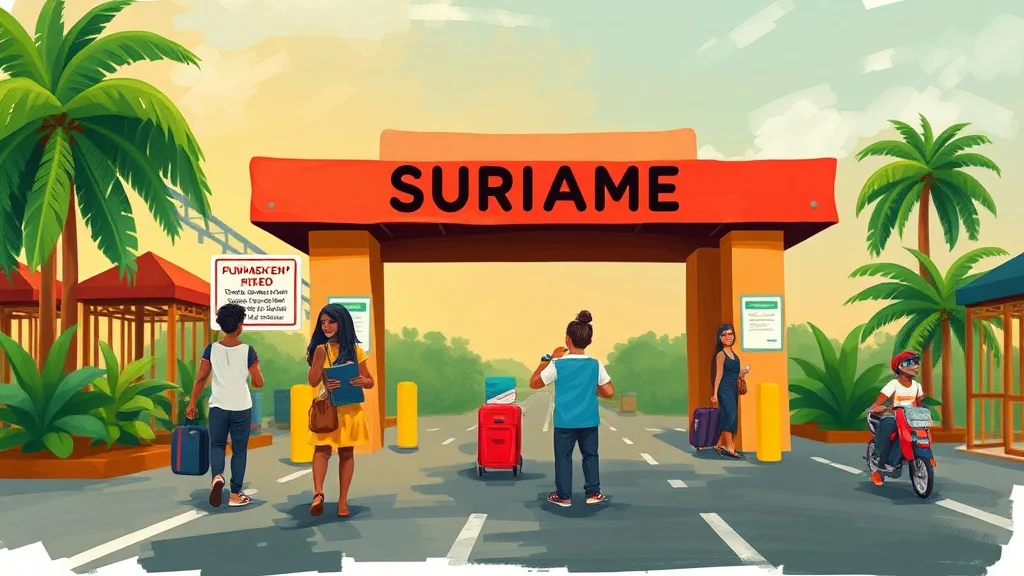
Returning to Suriname as a Dutch citizen or a member of the Surinamese diaspora typically involves specific immigration requirements. Dutch citizens enjoy a relatively straightforward process due to historical ties. They can enter Suriname without a visa and stay for an extended period. However, it is essential to verify current immigration policies as they can change.
For those who are not Dutch citizens, the process may differ. For example, US citizens and other nationalities may need to apply for a visa before entering Suriname. The most common visa types include:
- Tourist Visa: Typically allows for a stay of up to 90 days.
- Residence Visa: For those planning to live in Suriname long-term. This may require proof of employment or family connections.
To apply for a residence visa, you will generally need the following documents:
- Valid passport
- Proof of financial means
- Health insurance documentation
- Criminal background check
- Proof of accommodation in Suriname
Processing times can vary, but typically range from a few weeks to several months, depending on the complexity of your application. Fees for visa applications can also differ based on the type of visa and your nationality, so it is advisable to check with the Surinamese embassy or consulate for the most accurate information.
Common Reasons for Visa Rejection
Understanding common reasons for visa rejection can help you prepare a stronger application. Some frequent issues include:
- Insufficient financial proof: Ensure you can demonstrate stable income or savings.
- Incomplete documentation: Double-check that all required documents are submitted and correctly filled out.
- Criminal history: A criminal record may complicate your application, so be prepared to address this if necessary.
To avoid these pitfalls, consider consulting with an immigration lawyer or a relocation expert familiar with Surinamese immigration policies. They can provide tailored advice and assist in preparing your application.
Cultural Reintegration and Community Connection
Returning to Suriname means re-establishing connections with family, friends, and the community. Many returnees find that while they may have a cultural understanding of Suriname, the reality of living there can be different from their expectations. The cultural landscape is rich and diverse, with influences from indigenous, African, Indian, and Dutch cultures.
Engaging with local communities can help ease the transition. Consider participating in community events, joining local organizations, or volunteering. This involvement not only helps you reconnect with your roots but also builds a support network that can be invaluable during your adjustment period.
Additionally, many returnees find that the pace of life in Suriname differs significantly from that in the Netherlands. Embracing a slower lifestyle can be refreshing but may require some adjustment. Understanding local customs, traditions, and social norms will enhance your reintegration experience.
Practical Living Considerations in Suriname
Living in Suriname presents unique challenges and opportunities. The cost of living can vary significantly from what you may be accustomed to in the Netherlands. While some goods and services might be cheaper, others, particularly imported products, can be more expensive. For instance, local produce is typically affordable, while imported goods may carry a premium price tag.
Housing is another critical aspect to consider. Renting a home in Paramaribo, the capital, can range widely based on location and amenities. Many expatriates opt for neighborhoods that offer a mix of local culture and modern conveniences. It is advisable to visit potential neighborhoods and consult with local real estate agents to find a suitable living arrangement.
Utilities in Suriname primarily consist of electricity, water, and internet. Air conditioning is essential due to the tropical climate, so be prepared for higher electricity bills during the warmer months. Internet access is generally available, but speeds and reliability can vary, so research local providers to find the best options for your needs.
What Expats Should Know: Practical Tips
For those considering a move back to Suriname, here are some practical tips to ease the transition:
- Learn the Language: While Dutch is widely spoken, learning Sranan Tongo or other local languages can enhance your social interactions and integration.
- Network with Other Expats: Connecting with other expatriates can provide valuable insights and support. Look for expat groups on social media or local community centers.
- Understand Local Services: Familiarize yourself with local healthcare, education, and transportation options. This knowledge will help you navigate daily life more effectively.
- Stay Informed: Follow local news and developments to stay updated on changes in policies, community events, and cultural happenings.
Conclusion
Returning to Suriname as part of the Dutch Surinamese diaspora can be a fulfilling journey filled with opportunities for personal and professional growth. Understanding immigration policies, preparing for cultural reintegration, and considering practical living conditions are essential steps in this process. By staying connected to your roots and engaging with the local community, you can create a meaningful and enriching life in Suriname.
AI-Generated Content: This article was created with AI assistance and may contain inaccuracies. Please verify important information with official sources.
Last updated: September 2026