
This guide was synthesized using the latest legislative data and verified by our editorial board. Laws are subject to change; always consult official sources for final confirmation.
Relocating to a new country brings a host of challenges, especially when it comes to finding suitable childcare. For expats in Paramaribo, Suriname, navigating the daycare landscape can be daunting. This guide provides valuable insights into the daycare options available, cultural nuances, and practical tips for ensuring a smooth transition for your family.
Understanding Daycare in Paramaribo
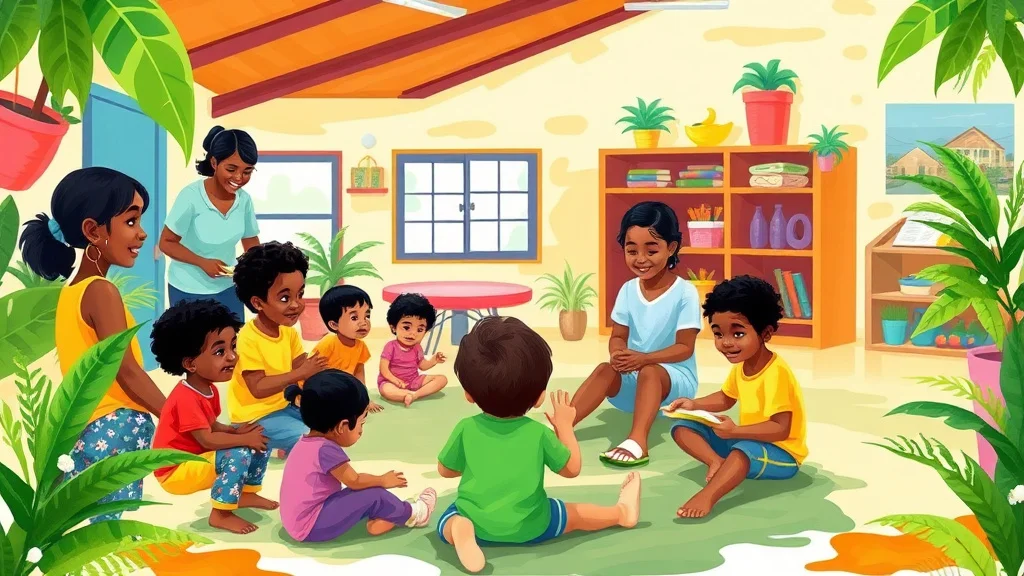
Paramaribo, the capital of Suriname, boasts a variety of childcare options that cater to the diverse needs of families. Daycares, or 'creches,' typically accept children from a few months old up to around six years. The environment is often vibrant, reflecting Suriname's multicultural population, which includes descendants of African, Indigenous, Indian, and Dutch backgrounds. This diversity enriches the caregiving experience, as children are exposed to a mix of languages and customs.
As of our last update, daycare facilities in Paramaribo generally operate on weekdays, providing full-day care from morning until late afternoon. Some centers may also offer after-school programs for older children. Typical activities include arts and crafts, storytelling, music, and outdoor play, all designed to foster social skills and early learning.
Types of Daycare Facilities
Expats will find a range of daycare options, from private facilities to community-based centers. Private daycares often have smaller class sizes and a more personalized approach. Community centers, on the other hand, may provide affordable rates and a chance for children to connect with local peers. It’s not uncommon for expat families to choose a daycare that offers a bilingual curriculum, allowing children to learn both Dutch and English, which can ease their adaptation to the local environment.
Families should also note that while some facilities provide structured educational programs, others focus more on play-based learning. Visiting several daycares can help parents find the right fit for their child’s personality and developmental needs.
Key Considerations When Choosing a Daycare
When selecting a daycare in Paramaribo, consider the following factors:
- Location: Proximity to your home or workplace can significantly reduce travel time. Popular neighborhoods for expats, such as Het Domineestraat or the suburbs around the city center, often have accessible daycare options.
- Staff Qualifications: Inquire about the qualifications and experience of caregivers. Facilities that employ trained early childhood educators typically offer a higher standard of care and educational programming.
- Facilities and Activities: Look for centers with ample outdoor space for play, as well as engaging indoor environments. Ensure that the daycare provides a variety of activities that support cognitive and motor skill development.
- Reputation: Seek recommendations from other expat families or check online forums and social media groups dedicated to expat life in Suriname. Personal experiences can provide invaluable insights into the quality of care and the overall environment.
Typical Costs
As of our last update, daycare costs in Paramaribo vary depending on the facility and services offered. Generally, families can expect to pay a weekly fee for full-time care, which may range based on the age of the child and the level of service. Some daycares may offer discounts for siblings or longer-term enrollments. It’s advisable for expats to compare several options and inquire about any additional fees for materials or activities.
Additionally, consider the currency exchange rates, as costs will be reflected in Surinamese Dollars (SRD). Understanding the local currency will help expats budget more effectively.
Cultural Insights for Expat Families
Adapting to a new culture can be both exciting and challenging, especially for children. In Suriname, the local customs, including language and social interactions, can differ significantly from what expats may be accustomed to in Western Europe or North America.
Language can be a barrier; while Dutch is the official language, many locals also speak Sranan Tongo, Hindi, and Javanese. Exposing children to these languages in a daycare setting can facilitate smoother integration. Many facilities promote a multilingual environment where children learn essential words and phrases in both Dutch and English, which can ease communication with local friends and caregivers.
Building Relationships with Local Families
Establishing connections with local families can enhance your expat experience. Many daycare centers encourage parent involvement through events or volunteer opportunities. Participating in these activities allows parents to meet other expats and local families, fostering a sense of community. This can also be a great way for children to form friendships, bridging cultural gaps and enriching their social experiences.
Keep an open mind about the differences in parenting styles and educational philosophies. Suriname’s cultural diversity means that you may encounter various approaches to childcare, which can broaden your perspective and enhance your family’s adaptation process.
Practical Tips for Expat Families
Here are some actionable tips to help expat families navigate daycare in Paramaribo:
- Visit Multiple Facilities: Take the time to visit several daycares before making a decision. Observe the environment, interact with staff, and see how children engage in activities. This first-hand experience can be invaluable.
- Prepare Your Child: Talk to your child about what to expect at daycare. Reading books about starting school or daycare can help them adjust emotionally. Consider organizing playdates with other kids from the daycare before their first day to ease transitions.
- Stay Informed: Join expat groups on social media platforms to stay updated on local events, parenting tips, and recommendations for childcare. These communities often provide a wealth of shared experiences and advice.
- Be Proactive About Communication: Establishing a good rapport with caregivers can lead to more effective communication regarding your child’s needs and progress. Don’t hesitate to ask questions or share specific concerns.
Conclusion
Finding the right daycare in Paramaribo is crucial for expat families seeking a nurturing environment for their children. By understanding the local daycare landscape, considering cultural nuances, and staying engaged with the community, families can create a positive experience for their children in Suriname. With the right preparation and a spirit of openness, your family can thrive in this vibrant, diverse environment.
AI-Generated Content: This article was created with AI assistance and may contain inaccuracies. Please verify important information with official sources.
Primary Sources
Last updated: September 2026