Traveling from Amsterdam to Paramaribo is a common route for expatriates and international professionals, especially those holding a Dutch residence permit. This article provides practical insights and tips on how to navigate this journey effectively, ensuring a smooth transition from Europe to Suriname.
Understanding the Travel Route
The primary airport for international flights to Suriname is Johan Adolf Pengel International Airport (PBM), located about 45 minutes from Paramaribo. Most travelers from Europe, particularly those with a Dutch residence permit, typically connect through Amsterdam's Schiphol Airport. This connection is well-frequented, with several flights each week directly to Paramaribo.
When planning your trip, it's advisable to book your flight well in advance, especially during peak travel times. Prices can fluctuate significantly, so keeping an eye on fare trends can help you secure the best deal. The convenience of Amsterdam as a hub makes this route popular among expatriates.
Visa and Residency Considerations
For travelers with a Dutch residence permit, the transit process at Schiphol Airport is generally straightforward. If you are transiting without leaving the international zone, you typically do not require a separate airport transit visa. However, it’s essential to verify your specific requirements based on your nationality. Family members of EU or EEA citizens may also benefit from simplified transit rules, so have your residence documents ready when you travel.
Given that rules can change, always double-check with official sources before your departure. The Dutch immigration website can provide up-to-date information on necessary documentation. Ensure that your Dutch residence permit is valid for the duration of your trip, as this will be crucial for smooth transit.
Preparing for Your Journey
Travel Documentation
Before you embark on your journey, gather all necessary travel documents. This includes your valid passport (it should have at least six months' validity beyond your planned return date), your Dutch residence permit, and any required health documentation, such as proof of vaccination against yellow fever, which may be necessary depending on your travel history.
Additionally, having your flight itinerary and accommodation details in Suriname handy can expedite the check-in process. Most airlines will require you to present these documents upon boarding, so keep them easily accessible.
Packing for Suriname
Suriname’s tropical climate means you’ll need to pack appropriately. The average temperature ranges from 27°C to 32°C (80°F to 90°F) year-round, so lightweight, breathable clothing is essential. Cotton and linen are ideal fabric choices. Since Suriname experiences heavy rainfall, especially during certain months, consider packing a light rain jacket and waterproof footwear.
Also, don’t forget any regular medication you may need, as specific brands can be hard to find in Suriname. While local pharmacies do stock common medications, it’s always best to bring what you require to avoid any disruptions.
Arriving in Suriname
Upon arrival at Johan Adolf Pengel International Airport, the first thing you’ll notice is the warmth and humidity of the tropical climate. The airport is relatively small and easy to navigate, with customs and immigration procedures typically running smoothly. Be prepared to present your travel documents and possibly undergo a health screening upon entry.
Transportation from the airport to Paramaribo is available via taxis, which can be arranged in advance or hailed upon your arrival. While specific taxi fare figures are not provided, it is advisable to confirm the cost with the driver before starting your journey. Alternatively, if you’ve booked accommodation, many hotels offer airport pick-up services that can simplify your arrival experience.
Adapting to Life in Paramaribo
Cultural Nuances
Paramaribo is a melting pot of cultures, and as an expatriate, you’ll find that integrating into local life can be a delightful experience. The city is known for its friendliness and hospitality. While Dutch is the official language, you’ll also encounter Sranan Tongo and various indigenous languages, reflecting the diverse population. Learning a few basic phrases in Sranan Tongo can enhance your interactions with locals.
When dining out, you’ll discover a rich culinary scene that blends Caribbean, Indian, and Creole influences. Local restaurants and street vendors offer delicious dishes like roti, pom, and various fish preparations. Eating out is generally affordable, with prices varying depending on the venue.
Neighborhoods and Living Arrangements
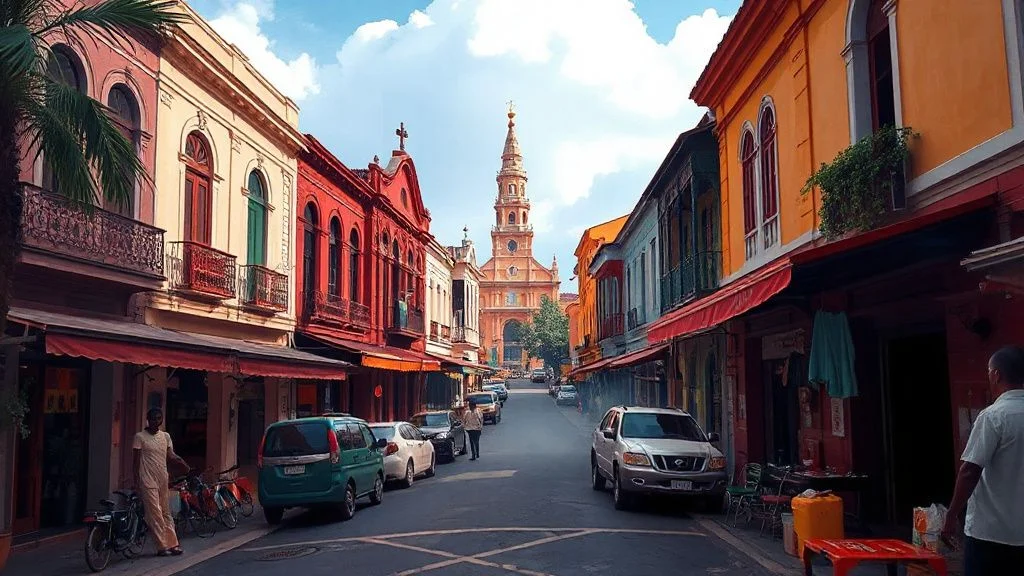
Choosing the right neighborhood in Paramaribo can greatly affect your expatriate experience. Popular areas such as the historic center, a UNESCO World Heritage Site, offer beautiful colonial architecture and close proximity to amenities. Various neighborhoods are also favored by expatriates for their residential comfort and access to services.
Rental prices vary, but you can expect to pay a range for a modest apartment in a desirable area. Ensure you understand what is included in your rental agreement, especially regarding utilities, as air conditioning is a necessity due to the tropical climate.
What Expats Should Know
Relocating to Suriname as an expatriate comes with its own set of challenges and rewards. One significant aspect is the cost of living, which is generally lower than in Western Europe or North America. Daily expenses such as groceries, transportation, and dining out can be managed on a budget, with local markets providing fresh produce at reasonable prices.
Moreover, the pace of life in Suriname is more relaxed compared to busy European cities. This slower pace allows for a more profound appreciation of local culture and community. As an expatriate, participating in local events and festivals can enhance your integration and provide opportunities to meet new people.
Conclusion
Connecting through Amsterdam to Paramaribo with a Dutch residence permit offers a unique gateway to experiencing the vibrant culture and lifestyle of Suriname. By understanding travel requirements, preparing adequately for the climate, and adapting to local customs, expatriates can make the most of their journey and new life in this beautiful tropical country. Embrace the adventure, and enjoy all that Suriname has to offer!
Primary Sources
Last updated: October 2026