This guide was synthesized using the latest legislative data and verified by our editorial board. Laws are subject to change; always consult official sources for final confirmation.
Suriname, a hidden gem in South America, offers a unique blend of tropical beauty, rich culture, and a relatively low cost of living, making it an attractive option for retirees on a fixed budget. This article explores the financial aspects of retiring in Suriname, including how much you need to live comfortably, typical expenses, and practical budgeting tips for expatriates.
Understanding the Cost of Living in Suriname
The cost of living in Suriname can be significantly lower than in Western Europe or North America, but it varies depending on lifestyle choices and location. As of our last update, a comfortable monthly budget for a retired couple can range from approximately $1,200 to $2,000, depending on personal preferences and spending habits.
Housing is typically the largest expense. Renting a modest apartment in Paramaribo, the capital, can cost between 3,000 to 5,000 SRD ($187.50 to $312.50) per month. For a more upscale option, expect to pay around 8,000 SRD ($500) for a larger apartment with amenities. In comparison, similar accommodations in cities like Amsterdam or New York could easily exceed $1,500, making Suriname an appealing alternative for budget-conscious retirees.
What can we put you in touch about?
Three short questions. Then we put you in touch with Expat Suriname, a trade name of BlueOceanSolutions B.V.. No account needed.
Essential Monthly Expenses
In addition to housing, retirees should consider other essential monthly expenses. Utilities, including electricity, water, and internet, typically range between 1,500 to 2,500 SRD ($93.75 to $156.25). Note that air conditioning is often necessary due to the tropical climate, which can increase electricity costs.
Groceries are another significant expense. A typical monthly grocery bill for two people can range from 2,500 to 4,000 SRD ($156.25 to $250). Local markets offer fresh produce at reasonable prices, but imported goods can be costly. For example, a liter of milk may cost around 30 SRD ($1.88), while a loaf of bread is about 20 SRD ($1.25). These prices are generally lower than in Western Europe, where similar items can be significantly pricier.
Healthcare Costs
Healthcare is a crucial consideration for retirees. Suriname has both public and private healthcare options, with private facilities typically offering better services. A visit to a general practitioner can cost around 300 SRD ($18.75), while more specialized care may be higher. It's advisable to have health insurance that covers international care, as not all treatments are available locally.
Prescription medications are often available but can be expensive, especially for imported brands. Budgeting around 500 SRD ($31.25) per month for medications and routine healthcare is a prudent approach. In comparison, healthcare costs in the U.S. or Western Europe can be significantly higher, making Suriname an attractive option for retirees looking to manage their healthcare expenses effectively.
Transportation and Leisure Activities
Transportation costs in Suriname are relatively low. Public transportation, such as buses and taxis, is affordable, with taxi fares starting at around 20 SRD ($1.25) for short distances. If you prefer to rent a car, expect to pay approximately 1,500 SRD ($93.75) per month for a basic vehicle rental. However, many retirees find that walking or using public transport suffices for daily needs.
Leisure activities can also fit a variety of budgets. Exploring the natural beauty of Suriname, such as its rainforests and rivers, is often free or low-cost. Local attractions, like museums or cultural events, may charge modest entrance fees, typically around 50 SRD ($3.13). Dining out can range from inexpensive local eateries, where a meal might cost 100 SRD ($6.25), to more upscale restaurants, where a meal could be around 400 SRD ($25). This flexibility allows retirees to enjoy a vibrant lifestyle without overspending.
Hidden Costs and Currency Considerations
While the cost of living in Suriname is generally lower, retirees should be aware of hidden costs. Import duties on goods can be high, so bringing essential items from home may save money in the long run. Additionally, currency exchange fees can add up; it's advisable to use local banks or exchange services that offer competitive rates.
The Surinamese Dollar (SRD) has experienced significant devaluation, impacting budgeting for expatriates. As of July 27, 2026, the exchange rate is 1 USD = 16.00 SRD and 1 EUR = 17.05 SRD. This volatility means that long-term financial planning should account for potential fluctuations in currency value, making it wise to keep a buffer in your budget for unexpected changes.
Practical Tips for Retiring in Suriname
To make the most of your retirement in Suriname, consider these practical tips:
- Learn Basic Dutch or Sranan Tongo: While many locals speak English, especially in urban areas, knowing some Dutch or the local Creole language can enhance your experience and help you navigate daily life more smoothly.
- Engage with the Local Community: Building relationships with locals can provide valuable insights into the best places to shop, eat, and explore. Joining expat groups or community organizations can also help you connect with others in similar situations.
- Budget for Emergencies: Set aside a portion of your budget for unexpected expenses, such as medical emergencies or urgent home repairs. This safety net can provide peace of mind as you settle into your new life.
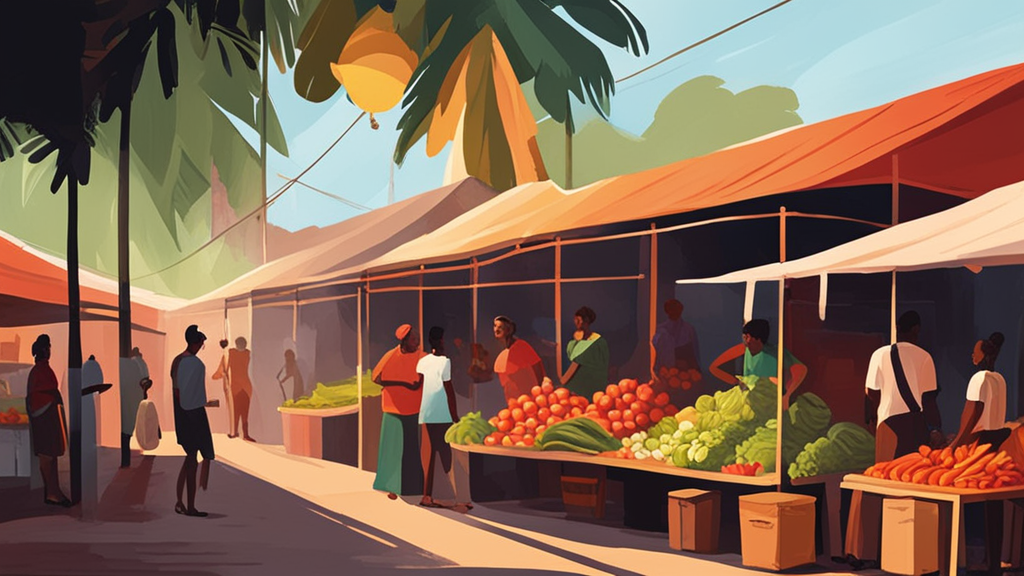
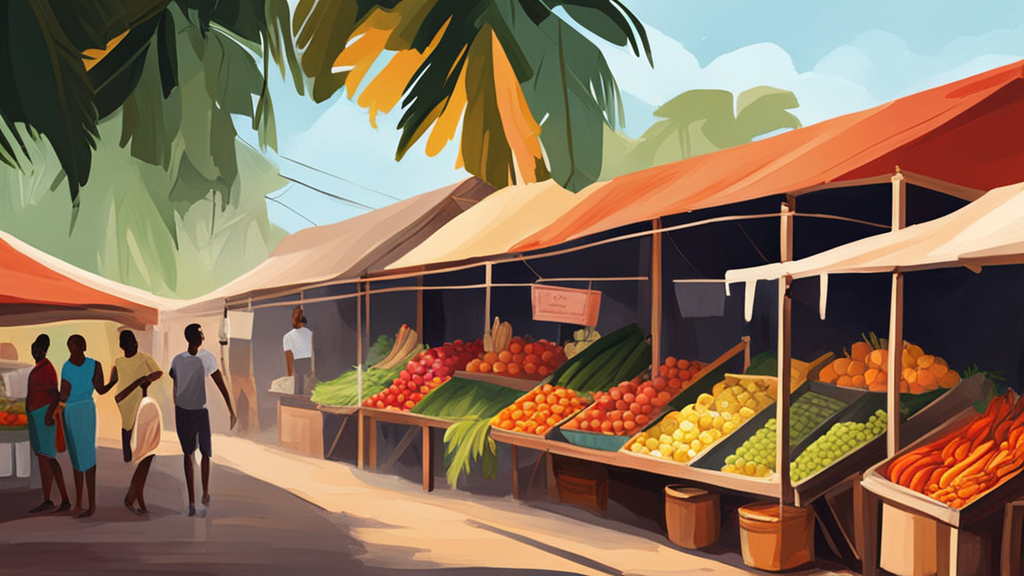
- Explore Local Markets: Shopping at local markets not only supports the community but also allows you to find fresh produce and unique products at lower prices than supermarkets.
Conclusion
Retiring in Suriname on a fixed budget is not only feasible but can also be a rewarding experience. With a monthly budget of approximately $1,200 to $2,000, retirees can enjoy a comfortable lifestyle in this tropical paradise. By understanding the cost of living, healthcare, transportation, and hidden expenses, expatriates can effectively plan their finances and make the most of their retirement. Embracing the local culture and community will further enrich your experience, making Suriname a truly special place to call home.
AI-Generated Content: This article was created with AI assistance and may contain inaccuracies. Please verify important information with official sources.
Exchange rate used in this article: 1 USD = 16.00 SRD, 1 EUR = 17.05 SRD (rate as of 2026-07-27, source: Centrale Bank van Suriname).
Last updated: September 2026